


A sewer line inspection could be the most important thing you do before buying a home in Southern California. Many homes along the Murrieta Hot Springs corridor were built during the region’s late-century growth boom, and those lateral lines are now 30 to 40 years old. At We Care Plumbing, Heating and Air, we’ve been serving Southern California homeowners since 2000, and we know exactly what hides beneath these properties before escrow closes. Buying a home in Southern California? Schedule a sewer inspection before you sign.
Key Takeaways
- A sewer line inspection reveals hidden pipe damage before you take ownership and inherit the repair costs.
- Many Murrieta homes built roughly 30 to 40 years ago have aging lateral lines that are overdue for a camera inspection.
- Clay soils in the Elsinore Trough cause pipe joint offsets and bellies that only a scope inspection can confirm.
- In Murrieta, the homeowner is responsible for the sewer lateral from the house to the city connection point.
- Scope inspections in Temecula and San Marcos often uncover root intrusion, corrosion, and pipe belly before they become costly repairs.
Buying a home in Temecula or San Marcos is one of the biggest financial decisions you will ever make. A standard home inspection covers a lot. But it does not cover the lateral line running underground from your house to the city connection point. That line is entirely your responsibility once you close escrow.
Lateral line replacement can mean tearing up your yard, driveway, or landscaping. Southwest Riverside County homes from the late-century growth boom face real risk here. Clay soils shift seasonally and push pipe joints out of alignment over decades. A pre-purchase plumbing inspection with a camera reveals exactly what is down there before you sign anything.
Read on for what a sewer line inspection is, why Southern California soil conditions matter, what the camera actually shows, and how findings affect your negotiation.
What Is a Sewer Line Inspection and How Does It Work?
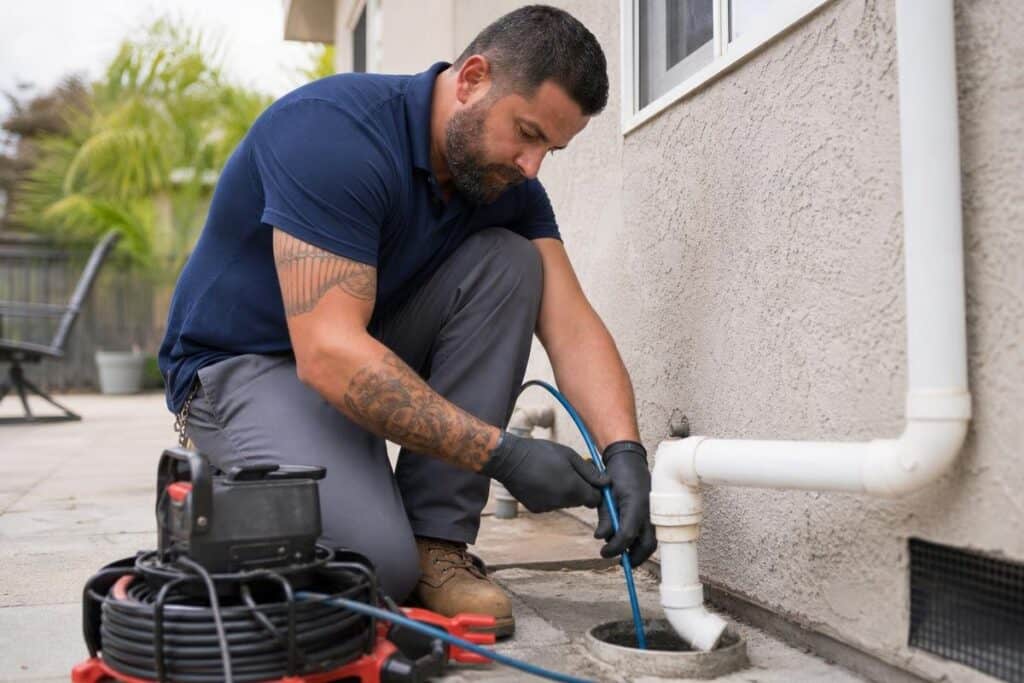
A sewer line inspection is a camera-based diagnostic where a licensed plumber feeds a waterproof camera through your drain line to assess pipe condition without digging. You may also hear it called a camera sewer inspection or a sewer scope. No digging. No guessing. Just a live video feed of the pipe’s condition from the inside out. This is a standard part of any thorough professional plumbing inspection before a home purchase.
The Camera Scope Process Step by Step
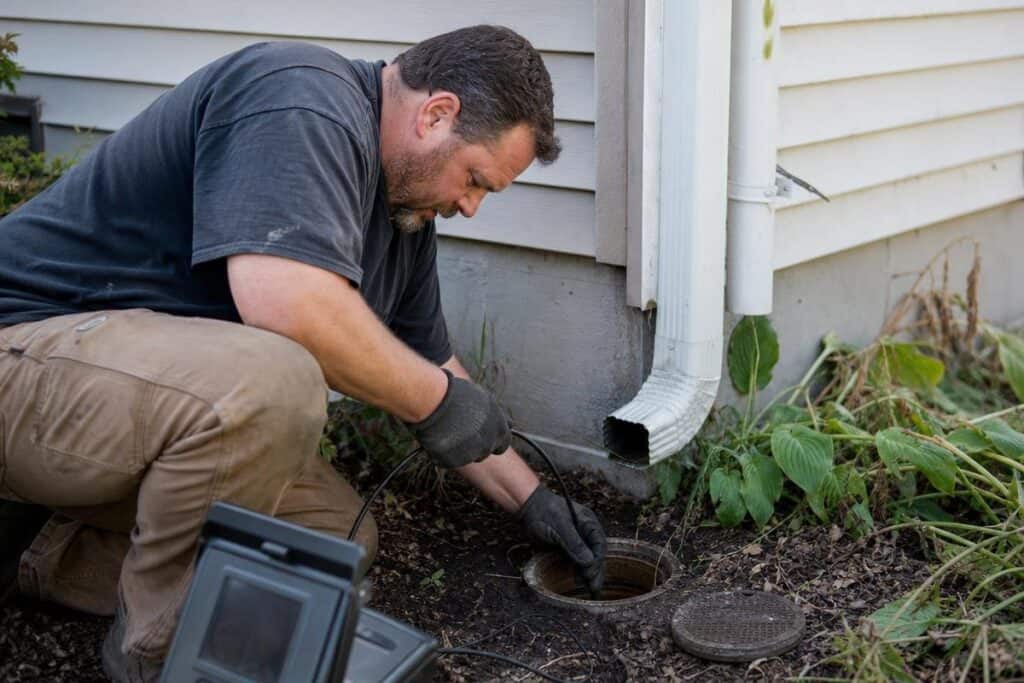
We start at the cleanout access point. That is usually a capped pipe near your foundation or somewhere in the yard. We remove the cap, feed in the flexible camera cable, and guide it through the full lateral line from your house to the city connection point.
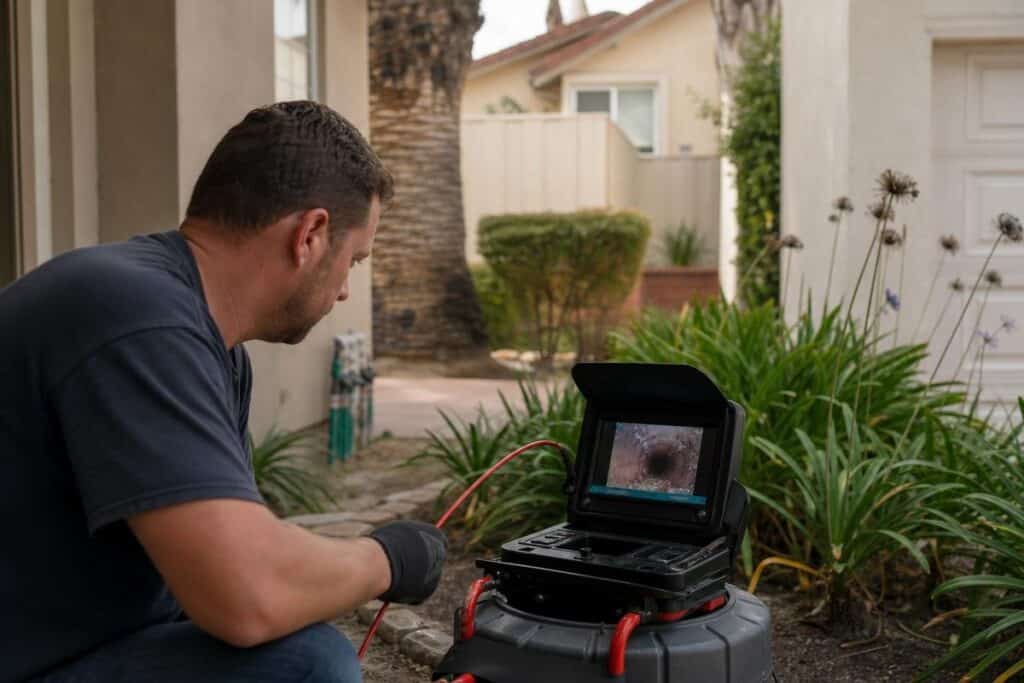
Lateral lines in areas like Temecula and San Marcos typically run 50 to 150 feet, depending on lot size and how far the home sits from the street. The whole inspection takes roughly 45 to 90 minutes. You or your real estate agent can watch the live feed on a monitor right there on-site. We also provide a recording so you have it for negotiations or contractor bids.
What the Video Actually Reveals
The camera does not lie. Here is what we commonly find inside lateral lines across Southern California homes:
- Root intrusion from mature trees targeting pipe joints
- Pipe bellies where the line has sagged and holds standing water
- Offset joints caused by soil movement over time
- Grease buildup restricting flow
- Corrosion inside cast-iron or older clay tile pipe
- Cracks or full collapses in deteriorated sections
- Orangeburg pipe, a tar-paper composite used from the 1940s through the 1970s, still found in some older homes. It looks intact from the outside but fails from the inside.
If the camera turns up something serious, we can talk through your options right away, whether that means a targeted plumbing repair or a full line replacement. No surprises after closing. Get your scope report before escrow closes. We will document everything on video.
Why Southern California Homes Need a Sewer Scope More Than Most
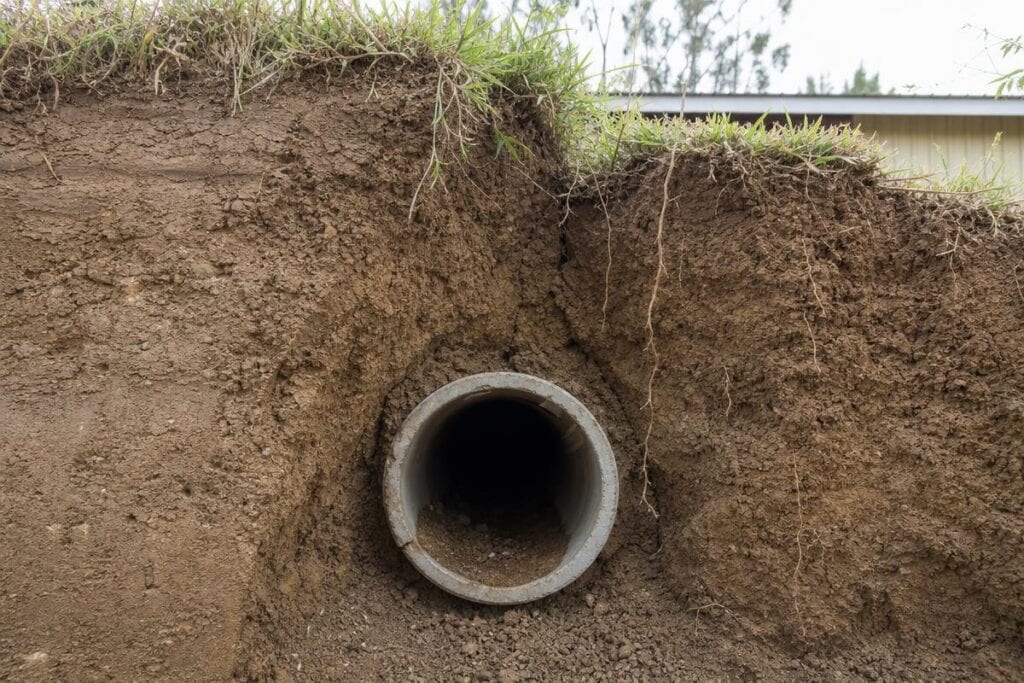
Coastal San Diego gets sandy, stable soil. The inland region does not. Temecula and the surrounding Inland Valley sit inside the Elsinore Trough, a geologically active zone filled with expansive clay soils. That clay swells when it rains and shrinks when it dries out. Every seasonal cycle pushes and pulls on buried pipes. That movement is the number one driver of sewer line problems in Southern California’s inland communities.
Expansive Clay Soils and Pipe Movement in the Inland Region
Homes built during the growth boom along the Murrieta Hot Springs corridor and near Murrieta Hot Springs Road have now had decades to settle. Those same aging lines are old enough for joints to offset and for low spots called pipe bellies to form. Water pools in a belly instead of flowing freely. Over time, solids accumulate and backups follow. A sewer line inspection shows these defects clearly before you close on a property.
San Marcos has a similar story. Much of its housing stock dates to the 1970s and 1980s, with the same clay soil patterns found further north. This is materially different from coastal communities where sandy soils drain and shift far less aggressively.
Tree Root Intrusion in Established Neighborhoods
Mature eucalyptus, pepper trees, and ficus are everywhere in older Temecula tracts. These trees send roots toward any moisture source they can find. A hairline crack at a clay pipe joint is enough for roots to enter. Once inside, they grow fast and eventually block the line completely.
Buyers looking at homes near Old Town Temecula or established neighborhoods along Rancho California Road should treat a sewer scope as non-negotiable. Root intrusion rarely shows up during a standard home inspection. A camera is the only way to know what is actually inside the pipe.
Aging Infrastructure and Older Pipe Materials
San Marcos homes built before 1985 may still have clay tile pipe with compression fittings that separate over time. Older mid-century homes commonly have cast-iron drain lines. Cast iron corrodes from the inside out. Scale buildup narrows the pipe and eventually causes chronic blockages or full failure. These are the kinds of plumbing issues in older homes that a visual inspection alone will miss entirely.
If a scope reveals cast-iron or clay tile in poor condition, the next conversation is usually about repiping installation as the right long-term fix. Knowing that before you buy gives you real negotiating power.
What a Sewer Inspection Includes and What It Does Not
A pre-purchase plumbing inspection tells you a lot. But knowing exactly what it covers, and what it does not, helps you set the right expectations before you close on a home.
What Is Covered in a Standard Sewer Scope
The camera goes into the lateral line. That is the pipe running from your home’s main cleanout out to the city connection point. Here is what we document during a sewer line inspection:
- Pipe material: PVC, ABS, clay tile, cast iron, or Orangeburg
- Pipe diameter and overall flow direction
- Root intrusion, cracks, and joint offsets
- Bellies (low spots where waste pools and sits)
- Blockages or buildup along the line
- Condition at the connection to the city main
You get a video recording and a written summary. Share that report with your real estate agent. It gives you real standing to ask for repairs or a price reduction before closing. Understanding why regular plumbing inspections matter helps put those findings in context.
What Falls Outside the Scope of the Inspection
The scope inspection does not cover everything. Here is what stays outside the camera’s reach:
- The city-owned main line under the street. In Temecula and parts of San Marcos, that falls under Eastern Municipal Water District. Other addresses fall under local Public Works. Either way, that portion is not your responsibility, and it is not what we inspect.
- Interior drain lines inside walls or under slabs
- Water supply line condition
- Water heater health (a separate water heater maintenance check covers that)
For a full picture of the plumbing in a home you are buying, we recommend pairing the scope with a professional plumbing inspection. The two together give you the complete story, not just one chapter of it. Questions about what your scope report means? Visit our contact page and we will walk you through it.
How to Use Sewer Inspection Findings in a Home Purchase Negotiation
A pre-purchase plumbing inspection gives you documented evidence. That evidence has real dollar value at the negotiating table. Here is how to use it, depending on what the camera found.
Minor Issues: Cleaning and Monitoring
Light root intrusion, mild grease buildup, or a single small belly in the line are common findings in older homes across San Marcos and the Inland Valley. These are not deal-breakers. They are negotiating chips.
Ask the seller for a credit to cover a hydro-jetting service to clear the line before or at closing. Then request a follow-up scope after the jetting to confirm the line is clear. That step protects you from inheriting a problem the seller claimed was resolved. The cost for jetting and a follow-up scope is typically a fraction of what a repair would run later.
Major Issues: Repair Credits and Price Reductions
Collapsed pipe sections, large joint offsets, or extensive deteriorated clay laterals are a different situation. Homes in Temecula and throughout the Elsinore Trough valley are especially prone to these defects because of seasonal soil movement that shifts pipe joints over decades.
Get a written plumbing repair assessment from a licensed plumber before closing. Use that estimate to negotiate a price reduction or a seller-paid repair credit. Trenchless pipe lining and pipe bursting are often available in this area, which can protect mature landscaping and existing driveways. Even so, a full lateral replacement is a significant cost. Your repair estimate is the number your agent needs to make the case.
If the lateral runs under a foundation slab with a collapse or major offset, repair complexity increases considerably. Slab-related plumbing issues are a known risk in Southern California housing stock. Factor that into your estimate request.
When to Walk Away
Sometimes the right move is to exit the contract. If the scope reveals extensive pipe failure, a seller who refuses any credit, and a repair estimate that changes the deal economics, your inspection contingency period gives you documented grounds to walk away without penalty.
A sewer inspection before buying a home is not just about finding problems. It is about knowing your options before you are legally committed. A documented major defect in the report protects you. Use it. If the seller will not negotiate on a verified structural failure in the lateral line, that tells you something important about the transaction.
Sewer Line Inspection in Murrieta, Temecula, and San Marcos
Where you buy matters as much as what you buy. The age of your neighborhood directly affects how urgently you need a sewer scope before closing. Our team has been providing plumbing services in the Inland Valley and Southwest Riverside County since 2000. Our licensed plumbers work under our California contractor’s license, and we have seen firsthand what decades of use and shifting soil do to lateral lines across each of these communities.
Murrieta and Temecula: Late-Century Tract Homes
The Murrieta Hot Springs Road corridor and tracts near the 15 freeway grew fast during the region’s building boom. Most homes there used ABS plastic for interior drains and PVC for lateral lines. Those materials hold up well, but the lines are now decades old. Joint fatigue from seasonal soil movement is a real concern. See our notes on common plumbing issues in older homes for more on how soil conditions factor in.
Old Town area tracts share the same pipe ages and the same ground conditions. If the home was built before 1995, a scope is not optional. It is basic due diligence.
San Marcos: Mixed-Era Housing and Clay Pipe Risk
The housing stock here spans a wider range than most Southwest Riverside County communities. Neighborhoods built in the 1960s and 1970s are where clay tile pipe and early cast-iron laterals show up most often. Those materials crack, root-intrude, and collapse in ways PVC simply does not. Any home built before 1980 needs a scope before you make an offer. We Care Plumbing, Heating and Air serves San Marcos and our team knows which pockets of town carry the highest pipe-age risk.
Older Cast-Iron Drain Lines and Descaling Options
Homes built in the 1950s and 1960s across the broader region frequently have cast-iron drain lines. Internal corrosion and scale buildup narrow the pipe over time. Joint separation is common as the metal deteriorates. If the scope reveals significant scale, our Flo-Tech descaling service for cast-iron lines can restore flow without full replacement in some cases.
That said, buyers should budget realistically for partial or full lateral replacement if corrosion is advanced. A scope tells you exactly what you are dealing with before you sign anything.
Frequently Asked Questions
How much does a sewer line inspection cost in Murrieta, CA?
Pricing varies depending on lateral length and how easy it is to access the cleanout. We give you a clear price before any work begins. No surprises.
How long does a sewer scope inspection take?
Plan on 45 to 90 minutes from setup to written summary. Longer lateral lines take more time. Your buyer’s agent is welcome to watch the live camera feed on-site.
Is a sewer line inspection required when buying a home in California?
No. California does not legally require a sewer scope inspection before closing. Standard home inspectors do not inspect the lateral drain line. It is a separate, optional inspection you have to specifically request. Most experienced real estate agents working in Wildomar, Lake Elsinore, and surrounding Southwest Riverside County communities recommend it, especially given local soil conditions and the age of housing stock in these areas.
What happens if the sewer scope finds a problem?
We provide a video recording and a written report. Take both to your agent and request a seller credit or repair before closing. Minor buildup may be resolved with drain clearing options for minor sewer line issues. Major defects need a repair estimate, which becomes your negotiating tool.
Can a sewer line inspection detect a slab leak?
No. A sewer scope inspection covers the drain lateral only. Slab leaks involve pressurized water supply lines running beneath the foundation. Those are two separate systems. If you suspect a slab leak, our full plumbing services including slab leak detection address that through a different diagnostic process.
How often should I get a sewer line inspection if I already own my home?
For homes over 20 years old, every 3 to 5 years is a reasonable schedule. If you have mature trees in the yard, lean toward the shorter interval. Slow drains, gurgling sounds, or sewage odors mean schedule immediately. Read our guide on what to do when drains are slow or blocked if you are seeing early warning signs.
Here is the bottom line. A sewer line inspection is cheap insurance against a five-figure surprise. It confirms pipe material and condition, exposes root intrusion, bellies, and joint offsets that soil movement causes across the Inland Valley, and hands you documented proof for the negotiating table. Buying a home in Southwest Riverside County or North San Diego County?
Schedule a sewer scope inspection before you close. We Care Plumbing, Heating and Air has served this region since 2000. Our licensed plumbers provide a full video recording and written report, so you have something concrete to take to the negotiating table. Visit our contact page. We give you a clear price before any work begins.
Ready to Get Started with We Care Plumbing, Heating and Air?
Call (951) 277-6848 or visit our contact page to speak with our team directly. We’re ready to answer your questions, walk you through your options, and help you find the right solution for your needs. Whether you’re just starting to plan or ready to move forward, we’ll make the process simple and stress-free. Reach out today and let’s talk about how we can help.