

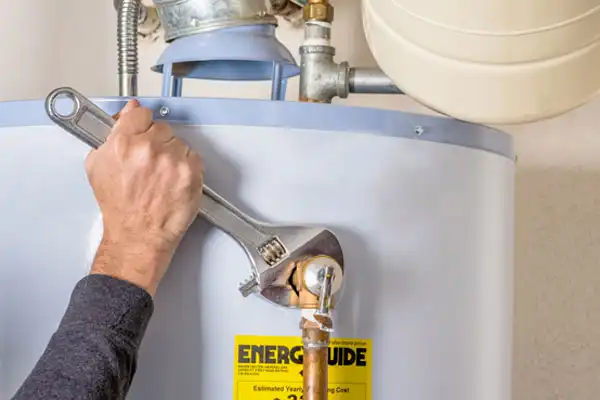
You turn on the tap, expecting steam—but instead, you’re hit with an icy stream that jolts you awake for all the wrong reasons. It’s one of those moments every homeowner dreads: your tanked water heater isn’t working. Before you panic (or start boiling pots of water on the stove), there’s one big question to answer—should you try to fix it yourself, or call in a professional?
We know the first instinct is often to save time and money by handling the issue yourself. And sometimes, that works. But water heaters involve a mix of electricity or gas, pressurized water, and safety codes—not something you want to gamble with.
This guide will help you figure out when a fix is simple and safe for you to handle—and when it’s time to bring in a licensed expert. Because when it comes to hot water, peace of mind is part of the comfort.
Rule Out the Simple Stuff
Before you call anyone or assume the worst, take a few minutes to check for these common (and often easy-to-fix) issues. These don’t require tools, technical skill, or any risk—just a careful look and a little patience.
- Check the circuit breaker (electric water heaters): If your water heater isn’t heating at all, a tripped breaker may be the culprit. Head to your home’s electrical panel and check if the water heater’s breaker has flipped. If it has, reset it once. If it trips again quickly, that’s a sign of a deeper issue—stop there and call a pro.
- Check the gas supply and pilot light (gas water heaters): If you have a gas unit and there’s no hot water, the pilot light might have gone out. Make sure your gas supply valve is open, then refer to the unit’s instructions to safely relight the pilot. If it won’t stay lit or if you smell gas—stop immediately and call the gas company or 911.
- Check the thermostat setting: Sometimes the issue is as simple as a thermostat that’s been nudged too low. Try raising the temperature a few degrees and wait a bit. For most homes, a setting of 120°F is ideal for both safety and energy efficiency.
- Reset the high-limit switch: Also called the ECO (emergency cut-off), this safety switch shuts off the water heater if the water gets too hot. On electric models, you can usually find the reset button behind an access panel near the thermostat. Press it once—if your heater turns back on, monitor it. If it trips again, it’s time to call in help.
These quick checks can solve some of the most common “no hot water” complaints without costing you a dime. But if nothing changes—or if anything seems unsafe—it’s time to hand it over to a pro.
When the Problem Is Beyond a Simple Fix
Water heaters are built to be reliable, but like any appliance, they wear out with time. And once problems go beyond surface-level fixes, it’s critical to involve a trained technician. Here’s when you should skip the DIY and give your plumber a call:
- Leaks: A puddle under your water heater is more than an annoyance—it’s a red flag. If the leak is from the tank itself (rather than a valve or connection), the unit is likely corroding from the inside out. At that point, repair isn’t safe or effective. Left unchecked, even minor leaks or early corrosion can cause serious damage like costly water waste or flooding. It’s time for a replacement.
- Strange noises: If your water heater sounds like it’s popping popcorn, that’s not normal. Those popping or rumbling sounds often come from sediment buildup at the bottom of the tank. This sediment insulates the water from the heating element, making the heater work harder and less efficiently. A professional flush may solve the issue—but left alone, it can shorten the lifespan of your unit. You can DIY a flush, but if it is been a while, a plumber can make sure it is completely flushed as part of a tune-up.
- Pilot light won’t stay lit: A stubborn pilot could be a faulty thermocouple or a deeper gas system issue. Either way, working on gas appliances without the right tools and licensing is dangerous. It’s safer—and smarter—to bring in a certified technician.
- Old, inefficient system: If your water heater is over 10 years old (and especially if it’s closer to 15), repairs may only buy you a little time. Newer models are much more efficient and reliable. In fact, water heaters may account for around 18% of a home’s energy use. Replacing an old unit can reduce energy costs and improve its performance long-term.
- Code compliance: Replacing or installing a water heater isn’t as simple as swapping one box for another. Plumbing codes often require updated venting, expansion tanks, earthquake straps, or drain pans. A licensed professional ensures everything is done safely—and legally.
These aren’t scare tactics. They’re facts. What starts as a small issue can snowball into bigger damage, higher bills, or even a safety hazard if left unchecked. Regular tune-ups are designed to spot these problems early, keeping your system safer, more efficient, and less likely to surprise you with costly repairs.
Why We Care Makes a Difference
When you call We Care Plumbing Heating & Air, you’re not just getting someone with a wrench—you’re getting a licensed, experienced technician who knows how to diagnose the issue, fix it right, and make sure everything is safe and up to code.
We work with most major brands and types of tanked water heaters, and we bring the tools and parts to handle most repairs on the spot. Our tanked water heater tune-up ensures everything is inspected, flushed, and running safely before problems arise. Our team is respectful, on time, and focused on providing real solutions—not pushing for replacements you don’t need.
Even better? We stand behind our work. That means no guesswork, no shortcuts, and no wondering whether the problem is really solved. When we’re done, you’ll have hot water—and peace of mind.
Don’t Get Left in the Cold
Some water heater problems are a quick fix. Others need the trained eye (and steady hand) of a professional. The tricky part is knowing which is which—and that’s where we come in.
If your water heater is acting up this October, don’t wait until cold showers become the norm. Whether you just need a quick tune-up or it’s time for a new unit, We Care is here to help you stay warm, safe, and comfortable—every day of the year. Call or schedule your service online today.