

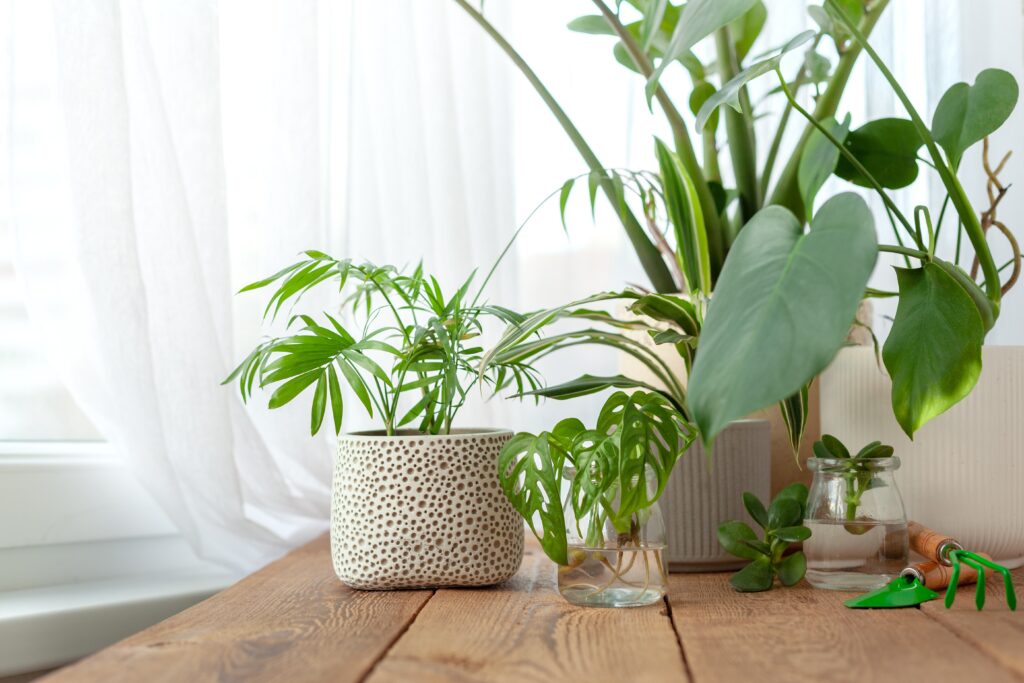
Adding a few houseplants is one of the easiest ways to brighten up your home—but can they actually help clean the air?
The answer is yes, but with limits. While certain indoor plants can absorb small amounts of pollutants and add humidity to dry air, they’re not a one-stop solution for indoor air quality. That said, plants can still be part of a bigger picture. Let’s take a look at which ones offer the most benefits, what they can realistically do, and how to get the best air-cleaning results in your home.
A Quick Look at the Best Indoor Plants for Air Quality
These plants are known for their ability to help with humidity, oxygen production, and limited pollutant filtering. Most are low-maintenance and thrive in indoor environments.
1. Spider Plant (Chlorophytum comosum)
Spider plants are great starter options. They’re known to tolerate different light levels, and some studies suggest they can help reduce indoor levels of carbon monoxide and formaldehyde in small spaces.
2. Snake Plant (Sansevieria trifasciata)
This hardy plant is ideal for bedrooms because it continues to release small amounts of oxygen at night. It’s also been shown to absorb limited traces of benzene and nitrogen oxide.
3. Peace Lily (Spathiphyllum spp.)
Peace lilies help raise humidity and may trap some airborne mold spores. They’re also known for absorbing formaldehyde and benzene in controlled settings.
4. Aloe Vera (Aloe barbadensis miller)
In addition to soothing skin, aloe vera plants may help reduce low levels of formaldehyde. They’re best placed near windows with indirect sunlight.
5. Rubber Plant (Ficus elastica)
With large leaves and strong resilience, rubber plants can help increase humidity slightly and may absorb airborne chemicals in small amounts.
6. Boston Fern (Nephrolepis exaltata)
This plant needs more care but is valued for its ability to increase humidity through transpiration. It may also reduce low levels of xylene and formaldehyde.
7. Dracaena
This group of plants includes many varieties that are easy to care for and may help absorb trace levels of trichloroethylene and benzene.
8. Chinese Evergreen (Aglaonema)
This durable plant thrives in low light and can slightly improve air freshness through photosynthesis.
9. Pothos / Devil’s Ivy (Epipremnum aureum)
Known for its trailing vines, pothos adds greenery while helping improve oxygen levels and slightly filtering airborne toxins.
10. Parlor Palm (Chamaedorea elegans)
This slow-growing palm adds visual charm and may improve indoor humidity during dry months.
11. Bamboo Palm (Chamaedorea seifrizii)
Bamboo palms are good for adding moisture to dry air and may absorb small amounts of benzene or formaldehyde.
12. English Lavender (Lavandula angustifolia)
While not a strong air filter, lavender offers a natural calming scent and may help reduce odors.
13. Anthurium
With bold blooms and glossy leaves, anthurium is a decorative plant that may absorb some VOCs and help maintain humidity.
14. ZZ Plant (Zamioculcas zamiifolia)
This low-maintenance option can tolerate neglect and adds a steady presence of greenery with minimal effort. It may help filter small amounts of airborne toxins.
Why Plants Alone Aren’t Enough
While indoor plants offer beauty and minor benefits, they aren’t powerful enough to handle the full scope of indoor air pollution on their own. A 2019 study from Drexel University found that you’d need hundreds of plants in one room to make a noticeable dent in airborne pollutants. That’s because plants filter air slowly, and the average home simply has more contaminants than a few potted plants can manage.
They’re a great start—but for cleaner air across your entire home, you’ll want to pair them with something stronger.
How Whole-Home Air Purification Makes the Difference
To go beyond the surface, many homeowners choose to add whole-home air purification systems. These work with your HVAC setup to clean the air in every room, filtering out the things that plants can’t keep up with—like fine dust, allergens, bacteria, smoke particles, and lingering odors.
Air purification can include:
- High-efficiency filtration systems (like MERV-13 or HEPA-rated filters)
- UV or ionization technology that neutralizes airborne viruses and bacteria
- Ventilation upgrades that help cycle out stale indoor air and bring in fresher outdoor air
Together, these tools actively clean the air around the clock, especially during times when windows are closed and outdoor air isn’t a great option—like during wildfire season or colder months.
Adding air purification doesn’t mean giving up on natural solutions like houseplants. Instead, it gives you a reliable, whole-home layer of protection that supports your health, comfort, and peace of mind—all year long.Combining greenery with modern air technology gives you the best of both worlds—natural beauty and whole-home protection.
A Note for Southern California Homes
In our region, air quality challenges vary by season. Wildfire smoke, dust, and dry indoor air are common concerns in fall and winter, especially once the windows stay shut and heating systems kick on.
Indoor plants can help restore some moisture to the air, which may relieve dry skin and sinus irritation. But to fully address pollutants like smoke particles or allergens, many Southern California homes benefit from pairing natural methods with advanced purification—like air scrubbers, high-efficiency filters, or humidifiers.
The Bottom Line
Houseplants are a great addition to any home. They add life, reduce stress, and support a healthier environment—but they shouldn’t be your only line of defense against indoor air pollution.
If you want to breathe easier this season, pairing indoor plants with a whole-home air scrubber is the most effective way to improve air quality year-round.
We Care Plumbing, Heating and Air proudly serves Murrieta and the surrounding areas with indoor air quality solutions that work. Whether you’re looking to add an air scrubber, improve filtration, or get help choosing the right system for your home, we’re here to help.