

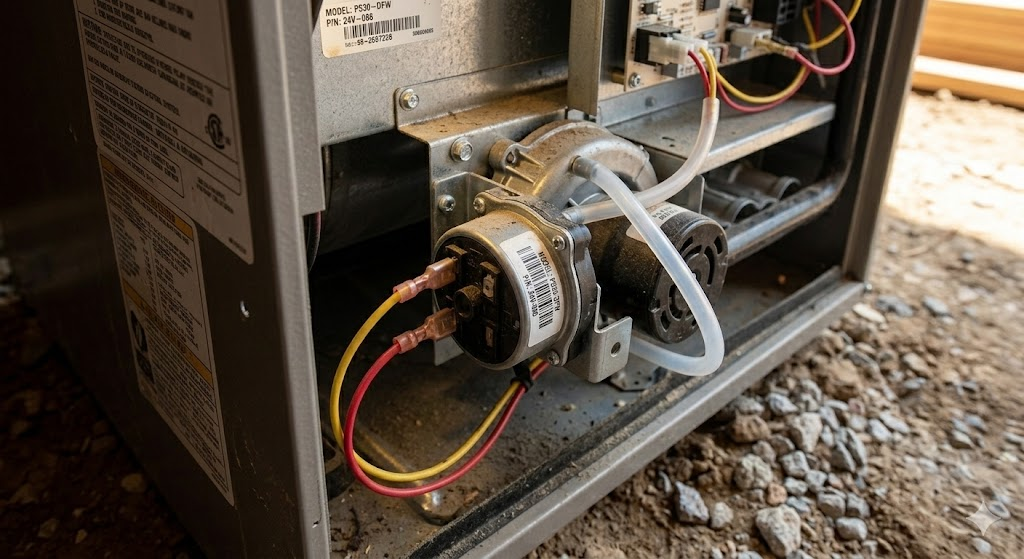
If your furnace has stopped working and a technician mentions a faulty pressure switch, you may be wondering what that component actually does and why it matters. The furnace pressure switch is one of the most important safety devices on a modern gas furnace, and it is also one of the more common reasons Inland Empire homeowners find themselves without heat on a cold winter night.
Winters in Murrieta, Temecula, and the broader Riverside County region are mild by national standards, but overnight temperatures regularly drop into the 30s and low 40s during December and January. For families with young children or elderly residents at home, a furnace that refuses to start can move from an inconvenience to a real concern within hours. Understanding how the pressure switch works can help you communicate more clearly with your technician and know when a quick fix is possible versus when the problem requires professional service.
What Is a Furnace Pressure Switch?
A furnace pressure switch is a small safety device that monitors the airflow and pressure conditions inside your furnace during startup. It is a normally open switch, meaning it stays in the open (off) position at rest. When the furnace’s draft inducer motor creates the correct negative pressure inside the heat exchanger and flue system, the pressure switch closes, allowing the ignition sequence to proceed.
The pressure switch exists to confirm that combustion gases will be properly vented out of your home before the furnace ignites. If the switch detects that pressure is outside the acceptable range, it interrupts the startup sequence as a safety measure. This prevents unburned gas and combustion byproducts from accumulating inside the furnace cabinet or entering your home’s air supply.
Most modern gas furnaces have at least one pressure switch. High-efficiency condensing furnaces, which are common in newer Inland Empire construction and in upgraded HVAC systems across Murrieta and San Marcos, often have two pressure switches that monitor different stages of the venting process.
How the Furnace Pressure Switch Works Step by Step
When your thermostat calls for heat, the furnace goes through a carefully sequenced startup process. Here is how the pressure switch fits into that sequence:
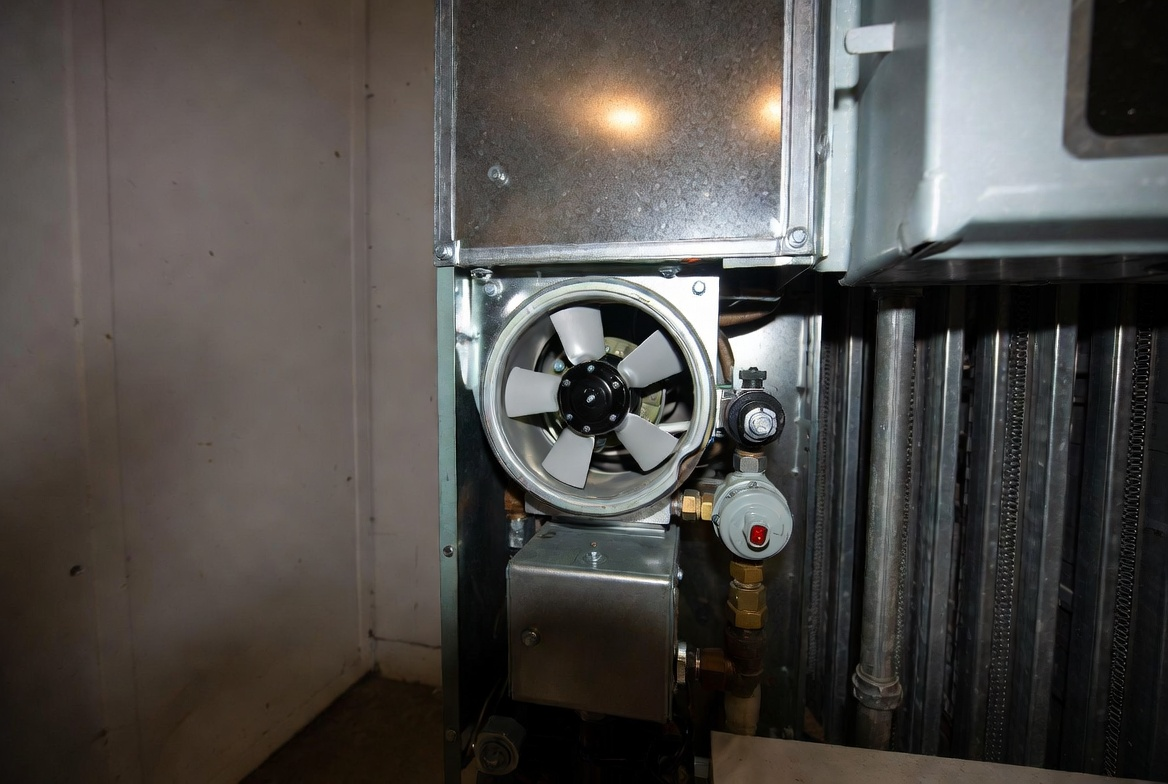
The draft inducer motor is the first component to activate. This motor creates a negative pressure environment inside the combustion chamber and flue system by pulling air through the heat exchanger before ignition occurs. The inducer runs for a short period before any gas or spark is introduced.
Once the inducer has run briefly, a rubber hose connected to the pressure switch port measures the negative pressure being created. If the pressure reaches the threshold set by the manufacturer, the pressure switch closes and sends a signal to the control board that venting is confirmed and safe.
With the pressure switch confirmed closed, the control board proceeds to open the gas valve and activate the igniter. Combustion begins, and the heat exchanger warms up. The blower motor activates shortly after to distribute heated air through your duct system.
If the pressure switch never closes, or if it opens again after closing, the control board halts the startup sequence. On most modern furnaces, this triggers a fault code or blinking LED on the control board. The furnace may attempt the startup sequence again one or two more times before going into lockout mode.
Common Reasons a Furnace Pressure Switch Trips
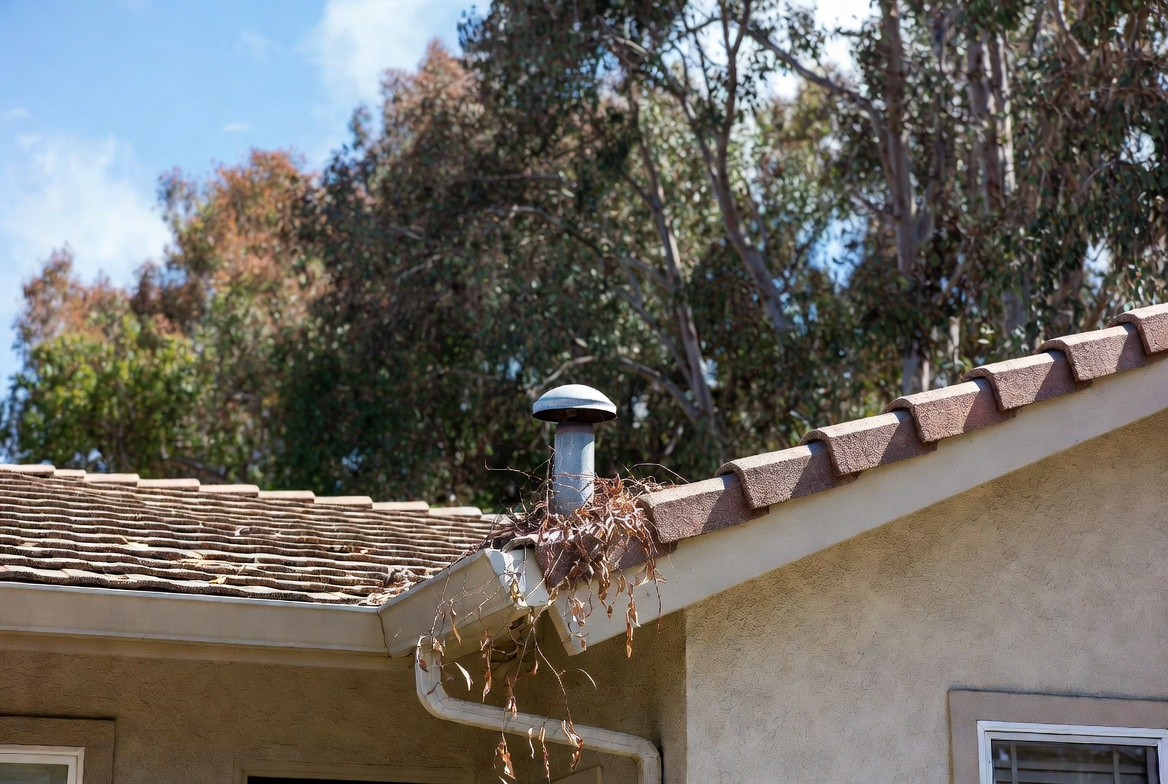
A pressure switch that trips repeatedly is telling you that something in the venting or airflow system is not functioning correctly. The pressure switch itself is rarely defective when it trips. In most cases, the switch is doing exactly what it is designed to do, and the underlying cause needs to be found and corrected.
A blocked or restricted flue is one of the most frequent causes. In Inland Empire homes with tile roofs, the flue termination cap can become blocked by debris, bird nests, or leaves that blow in from nearby eucalyptus or oak trees. Mud dauber wasps are also notorious for building nests inside metal flue caps during the warm months, which then blocks airflow when the heater is first turned on in the fall.
A cracked or disconnected pressure switch hose is another common cause. The small rubber hose that connects the pressure switch port to the draft inducer assembly can crack, harden, or come loose over time. When this happens, the hose cannot accurately transmit the pressure reading to the switch, causing false trips even when the inducer is operating normally.
A failed draft inducer motor may not generate sufficient negative pressure to close the switch. If the inducer motor bearings are worn or the motor is starting to fail, the switch may trip on and off inconsistently or never close at all. Inducer motor issues are more common in furnaces that are ten or more years old.
Condensate drain clogs can cause pressure switch problems in high-efficiency condensing furnaces. These furnaces produce acidic condensate during the combustion process, which drains through a PVC line. If the condensate line or trap becomes clogged, water backs up into the inducer assembly or secondary heat exchanger, which can block airflow and cause pressure irregularities that trip the switch.
A dirty or heavily restricted air filter reduces the overall airflow through the furnace and can create abnormal pressure differentials. While this is less likely to directly trip a pressure switch on most residential furnaces, it can contribute to overheating conditions and stress other components in the system.
Symptoms That Point to a Pressure Switch Problem
Several symptoms can suggest a pressure switch issue in an Inland Empire furnace. Recognizing these signs early can help you avoid a full system lockout or extended period without heat.
The most obvious symptom is a furnace that starts the inducer motor, runs for a few seconds, and then shuts off without igniting. You may hear the draft inducer spin up and then hear the furnace click off without the sound of ignition or the main blower starting. This cycle may repeat two or three times before the furnace enters lockout.
Error codes on the control board are another key indicator. Most gas furnaces manufactured in the last decade display a fault code using a blinking LED on the control board, which is usually visible through a small window on the furnace cabinet door. A common pressure switch fault code is a pattern of two flashes followed by a pause, though the specific code pattern varies by manufacturer and model. Check the label inside the furnace cabinet door for a code reference chart.
If your furnace runs normally during most heating cycles but occasionally fails to start, this intermittent behavior often points to a cracked pressure switch hose or a condensate drain that is partially obstructed. The partial blockage may clear temporarily, allowing the furnace to work for a period before the problem recurs.
A furnace that works fine on mild days but consistently fails on the coldest nights may be experiencing inducer motor issues. Cold temperatures affect motor performance, and a marginally failing inducer motor may generate just enough pressure on moderate days but fall short when it is truly cold outside.
Troubleshooting a Furnace Pressure Switch: What Homeowners Can Safely Check
There are a few basic checks that Inland Empire homeowners can perform safely before calling a technician. These checks do not involve opening the gas system or electrical components, and they may resolve the issue or at least provide useful information for your service call.
Check and replace the air filter. A clogged filter is a common furnace problem overall, and while it is not always the direct cause of a pressure switch trip, replacing a severely dirty filter is always a good first step. Filters in Inland Empire homes collect significant dust during the dry summer months and should be replaced every one to three months depending on filter type and household conditions.
Check the flue vent termination on the exterior of your home. Look for obvious obstructions at the point where the flue exits through the wall or roof. Bird nests, spider webs, and physical damage to the vent cap are all visible from the outside. Do not attempt to clean inside the flue yourself, but if you can see a clear obstruction at the termination point, that is worth noting for your technician.
Check for visible condensate blockages if you have a high-efficiency furnace. The condensate drain line typically exits the furnace cabinet through a small PVC pipe. If you see water pooling around the base of the furnace or backing up into the condensate trap, a blocked drain line is likely contributing to the problem.
Reset the furnace after a lockout. If the furnace has entered lockout mode, you can typically reset it by turning the thermostat off and back on, or by switching the furnace power switch off for thirty seconds and back on. If the furnace ignites successfully after a reset but fails again within a few heating cycles, the underlying cause has not been resolved and a professional inspection is needed.
When to Replace vs. Repair a Furnace Pressure Switch
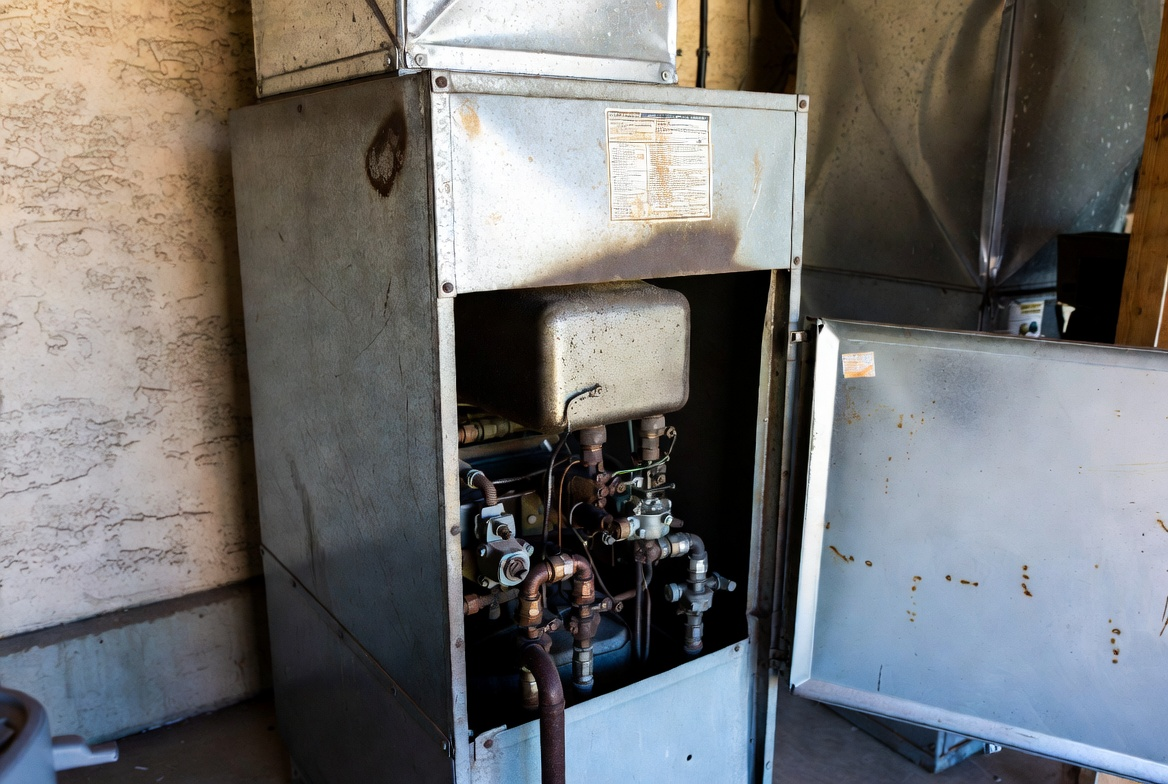
A pressure switch that has genuinely failed rather than tripped due to an underlying cause is a relatively inexpensive part. Pressure switches typically cost between $20 and $75 for the component itself, and a qualified technician can usually replace one in under an hour. However, it is important not to simply replace a pressure switch without diagnosing why it tripped in the first place.
If a new pressure switch trips immediately or within the first few heating cycles after installation, the original cause of the failure was not addressed. Replacing the switch without identifying the root cause can create a situation where a safety device is masking a more serious problem, such as a cracked heat exchanger or a failing inducer motor.
Repair is typically the right answer when the furnace is less than ten years old and the underlying cause is something straightforward like a blocked flue, a cracked hose, or a clogged condensate drain. These repairs are generally affordable and can extend the service life of your heating system by several more years.
Replacement becomes a more serious conversation when the furnace is more than fifteen years old, when the inducer motor itself has failed, or when a cracked heat exchanger is discovered during diagnosis. A cracked heat exchanger is a safety issue because it can allow combustion gases to mix with the air being circulated through your home. In that scenario, continuing to operate the furnace is not safe, and replacement is typically the recommended course.
When to Call a Heating Professional in the Inland Empire
There are specific situations where calling a licensed heating contractor is the appropriate step rather than continuing to troubleshoot on your own. If your furnace is displaying a pressure switch fault code that persists after a reset, if you smell gas near the furnace at any point, or if you have any uncertainty about what you are seeing, stop and call a professional.
We Care Plumbing, Heating and Air serves Inland Empire communities including Murrieta, Temecula, Riverside, and San Marcos with licensed HVAC technicians who are experienced with all major furnace brands. Our team carries common pressure switches, hoses, and inducer components on our service vehicles to minimize return trips and get your heat running as quickly as possible.
Call us at (760) 309-3474 to schedule a furnace diagnostic. Our technicians can identify whether the pressure switch itself has failed, confirm the root cause, and give you an honest assessment of whether a repair or replacement is the right investment for your home’s specific situation.
Frequently Asked Questions
How do I know if my furnace pressure switch is bad in an Inland Empire home?
The most common signs are a furnace that starts the inducer motor and then shuts off without igniting, a flashing fault code on the control board, or a furnace that enters lockout mode after two or three failed startup attempts. A technician can confirm whether the switch itself has failed or whether the switch is tripping due to a blocked flue, cracked hose, or failed inducer motor.
Can I reset a tripped furnace pressure switch myself?
You can reset the furnace by turning the thermostat off and then back on, or by cycling the power switch on the furnace off for thirty seconds and back on. This may allow the furnace to start again. However, if the furnace continues to trip within a few heating cycles, the underlying cause needs to be diagnosed and corrected. Repeated resets without fixing the root cause are not a long-term solution.
How much does it cost to replace a furnace pressure switch in Murrieta or Temecula?
Pressure switch replacement typically runs between $150 and $350 total for parts and labor in the Inland Empire area, depending on the furnace model and whether any related components need attention. The switch itself is usually an inexpensive part, but diagnostic time and labor account for most of the cost. If the pressure switch tripped due to a blocked flue or a failed inducer motor, those repairs will add to the overall cost.
Why does my furnace pressure switch keep tripping in Southern California?
In Southern California’s climate, the most common causes of repeated pressure switch trips are blocked flue vent terminations from debris or insect nests, cracked pressure switch hoses that have dried out in the heat, and condensate drain clogs in high-efficiency furnaces. Furnaces that sit unused through the long warm months can develop problems in these areas that only appear when the heater is first turned on in the fall.
Can a dirty air filter cause a furnace pressure switch to trip?
A severely restricted air filter can reduce airflow through the furnace and contribute to pressure problems, but in most residential furnaces it is not the primary direct cause of a pressure switch trip. A dirty filter is always worth replacing when troubleshooting any furnace issue, and maintaining a clean filter throughout the year reduces stress on the entire heating system. Filters in Inland Empire homes tend to clog faster due to the dry, dusty conditions during fall and winter.
About We Care Plumbing, Heating and Air
We Care Plumbing, Heating and Air has been serving Southern California homeowners with trusted plumbing, heating, and air conditioning services for over 25 years. Based in Murrieta, we serve communities throughout the Inland Empire including Temecula, San Marcos, Riverside, and beyond, as well as Orange County and San Diego County.
Call We Care at (760) 309-3474 or visit wecareteam.com to schedule service today.