

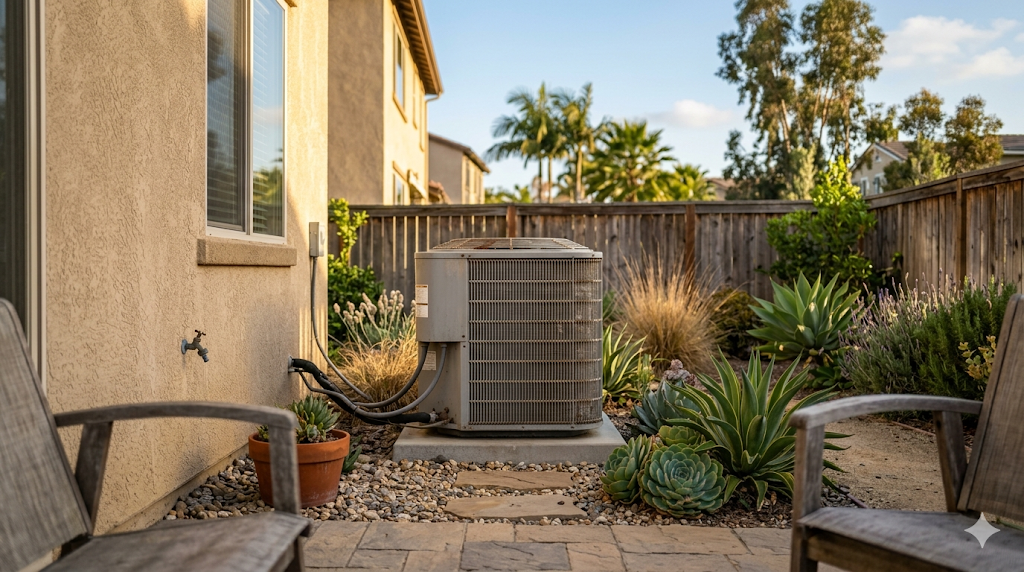
Orange County homeowners rely on their HVAC systems year-round to maintain comfortable indoor temperatures, whether battling summer heat waves or staying warm during cooler winter nights. However, even the most reliable heating and cooling equipment can develop problems over time, especially given Southern California’s unique climate demands. Understanding the most common HVAC problems can help you identify issues early, avoid costly emergency repairs, and extend the lifespan of your system.
From refrigerant leaks and frozen coils to thermostat malfunctions and ductwork problems, this guide covers the HVAC issues that affect Orange County homes most frequently. Knowing what to look for allows you to take action before minor inconveniences turn into major breakdowns.
Why Orange County’s Climate Creates Unique HVAC Challenges
Orange County’s Mediterranean climate brings warm, dry summers and mild, occasionally wet winters. While this makes for pleasant living conditions overall, it places specific demands on residential HVAC systems that homeowners should understand.
During summer months, temperatures regularly climb into the 80s and 90s, requiring air conditioning systems to run for extended periods. This prolonged operation accelerates wear on components like compressors, capacitors, and fan motors. The region’s dusty conditions, particularly during Santa Ana wind events, mean air filters clog faster than in other areas. Dust and debris accumulate on evaporator coils and condenser units, reducing efficiency and forcing systems to work harder to maintain desired temperatures.
Coastal areas within Orange County face an additional challenge: salt air. The corrosive nature of ocean air can degrade outdoor condenser units, copper tubing, and electrical connections over time. Homeowners near the coast often need more frequent maintenance to prevent corrosion-related failures.
Winter presents its own considerations. While heating demands are lighter than in colder regions, furnaces that sit idle for months may develop ignition problems, pilot light issues, or accumulated dust that creates burning odors when first activated. The temperature swings between warm days and cool nights also put stress on systems that must switch between heating and cooling modes frequently.
Air Conditioning Problems to Watch For
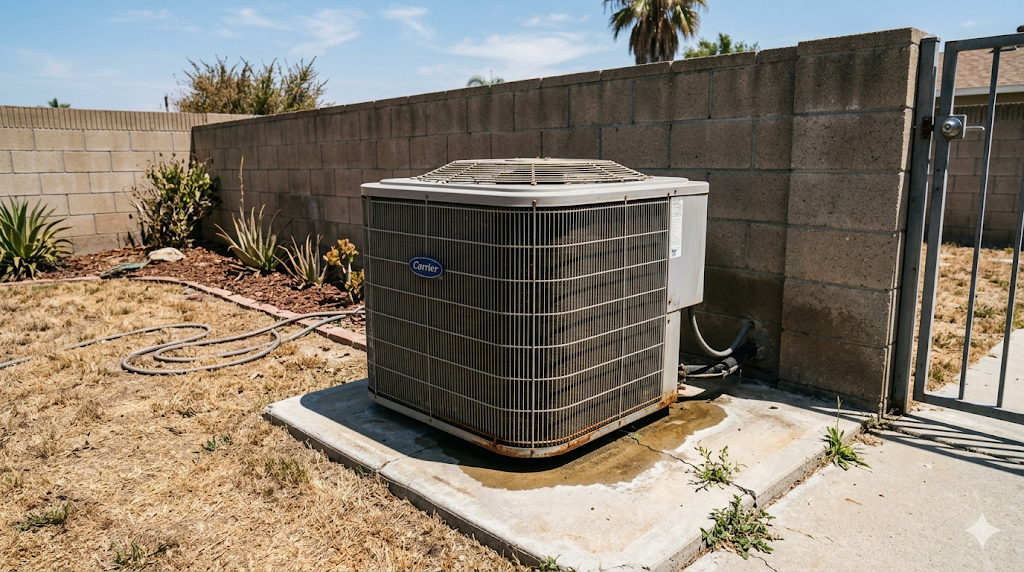
Air conditioning failures are among the most common HVAC issues in Orange County, given how heavily residents depend on cooling during the warmer months. Recognizing early warning signs can help you schedule air conditioning repair before a complete breakdown leaves you without cooling.
Refrigerant Leaks
Refrigerant is the chemical compound that absorbs heat from indoor air and releases it outside. When refrigerant levels drop due to leaks, your AC loses its ability to cool effectively. Signs of a refrigerant leak include warm air blowing from vents, ice forming on the evaporator coil, hissing sounds near the indoor or outdoor unit, and unexplained increases in energy bills.
Refrigerant leaks often develop in copper tubing due to corrosion, physical damage, or manufacturing defects. In Southern California’s dusty environment, contaminants can accelerate the corrosion process. Unlike some AC problems you might troubleshoot yourself, refrigerant issues require a licensed technician to diagnose, repair, and properly recharge the system according to EPA regulations.
Frozen Evaporator Coils
When ice forms on your AC’s evaporator coil, the system cannot absorb heat properly, resulting in weak or warm airflow. Several factors cause coil freezing: restricted airflow from dirty filters, blocked return vents, low refrigerant levels, or a malfunctioning blower motor. If you notice ice on the indoor unit, turn off the AC immediately to prevent compressor damage, then contact a professional to diagnose the underlying cause.
Clogged Condensate Drains
Your air conditioner removes humidity from indoor air as part of the cooling process. This moisture collects in a drain pan and exits through a condensate line. Over time, dirt, algae, and mineral deposits can clog this drain, causing water to back up and potentially leak into your home. Regular drain line cleaning prevents this common but often overlooked problem.
Capacitor and Electrical Failures
Capacitors store electrical energy to start the compressor and fan motors. When capacitors fail, your AC may not turn on, may run intermittently, or may produce a humming sound without starting. Electrical issues can also manifest as tripped breakers, burning smells, or complete system failure. These components should only be handled by qualified technicians due to the risk of electrical shock.
Heating System Issues That Should Not Be Ignored
While Orange County winters are mild compared to other regions, functioning heating remains essential for comfort during cooler months. Heating repair needs often arise when furnaces come out of seasonal dormancy and reveal problems that developed during the off-season.
Ignition and Pilot Light Problems
Modern furnaces use either electronic ignition or standing pilot lights to initiate the heating cycle. Ignition system failures prevent the furnace from lighting, leaving you without heat. Common causes include dirty flame sensors, faulty igniters, gas supply issues, or thermocouple problems in older systems. If your furnace cycles on and off repeatedly without producing heat, the ignition system likely needs professional attention.
Dirty Filters Reducing Efficiency
A clogged air filter restricts airflow through the system, forcing the furnace to work harder and potentially causing it to overheat. Overheating triggers safety mechanisms that shut down the system to prevent damage. In severe cases, restricted airflow can lead to cracked heat exchangers, an expensive repair that may require full furnace repair or replacement. Changing filters every one to three months, depending on household conditions, prevents this easily avoidable problem.
Unusual Noises and Odors
Healthy heating systems operate relatively quietly. Banging, screeching, rattling, or grinding noises indicate mechanical problems such as loose components, failing bearings, or ductwork issues. A burning smell when you first turn on the furnace is normal as dust burns off, but persistent odors suggest potential electrical problems, gas leaks, or overheating components that require immediate professional evaluation.
Thermostat Malfunctions and Temperature Inconsistencies
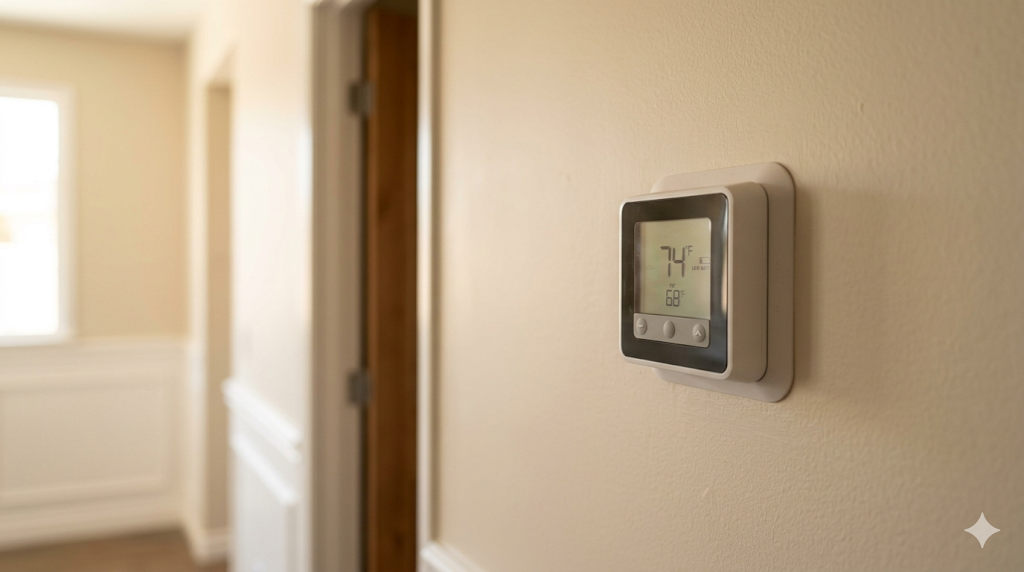
The thermostat serves as the control center for your HVAC system, and malfunctions here can mimic more serious equipment failures. Before assuming you have a major system problem, consider whether the thermostat itself might be the culprit.
Dead batteries are the simplest thermostat issue, yet they cause countless unnecessary service calls. If your display is blank or unresponsive, replace the batteries before calling for repairs. Calibration drift can also occur over time, causing the thermostat to read temperatures inaccurately and trigger heating or cooling at inappropriate times.
Thermostat placement matters as well. Units installed near windows, exterior doors, or heat sources like kitchens may receive false temperature readings that cause erratic system behavior. If certain rooms consistently feel warmer or cooler than others, the issue may stem from thermostat location rather than equipment failure.
Upgrading to a smart or programmable thermostat can resolve many temperature inconsistency issues while improving energy efficiency. These devices learn your preferences, adjust to occupancy patterns, and optimize heating and cooling schedules automatically.
Ductwork Problems Hiding in Plain Sight
The ductwork running through your attic, walls, and crawlspaces plays a crucial role in HVAC performance, yet it often receives little attention. Air duct cleaning and inspection can reveal hidden problems that silently waste energy and compromise comfort.
Duct leaks are surprisingly common, particularly in older homes. The U.S. Department of Energy estimates that typical homes lose 20 to 30 percent of conditioned air through duct leaks, holes, and poor connections. This means a significant portion of the energy you pay for never reaches your living spaces. Signs of duct leakage include rooms that are difficult to heat or cool, excessive dust throughout the home, and unusually high utility bills.
Ducts in unconditioned spaces like attics face additional challenges. Poor insulation allows heat to transfer through duct walls, warming cooled air in summer and cooling heated air in winter before it reaches your rooms. Current energy standards recommend minimum R-8 insulation for ducts in unconditioned spaces, but many older homes fall short of this benchmark.
Blockages from collapsed duct sections, pest infestations, or accumulated debris also reduce airflow and system efficiency. Professional duct inspection can identify these hidden problems and determine whether sealing, insulation, or replacement is the best solution.
Quick Reference: Common HVAC Problems at a Glance
| Problem | Common Symptoms | Typical Cause |
|---|---|---|
| AC not cooling | Warm air from vents, ice on coils | Low refrigerant, dirty filter, frozen coil |
| Furnace not heating | No heat, frequent cycling, clicking sounds | Ignition failure, dirty filter, gas issue |
| Uneven temperatures | Hot and cold spots, rooms hard to heat or cool | Duct leaks, poor insulation, thermostat placement |
| High energy bills | Sudden increase without usage change | Duct leaks, aging equipment, deferred maintenance |
| Strange noises | Banging, screeching, rattling, grinding | Loose parts, failing motor bearings, debris |
| Water leaks | Puddles near indoor unit, water stains | Clogged condensate drain, cracked pan |
When to Call a Professional vs. DIY Troubleshooting
Some HVAC issues can be safely addressed by homeowners, while others require professional expertise. Knowing the difference saves time and prevents potential safety hazards or equipment damage.
- Tasks homeowners can handle: Replacing air filters, checking thermostat batteries and settings, ensuring vents are open and unobstructed, clearing debris from around outdoor units, and verifying that circuit breakers have not tripped.
- Tasks requiring professional service: Refrigerant issues, electrical repairs, ignition system problems, heat exchanger inspections, ductwork modifications, and any work involving gas lines. Licensed technicians have the training, tools, and certifications to handle these tasks safely and in compliance with local codes.
If you attempt basic troubleshooting and the problem persists, or if you notice warning signs like burning smells, gas odors, or sparking, turn off the system immediately and contact a professional. Continuing to operate a malfunctioning system can cause additional damage and create safety risks.
Preventive Maintenance: Your Best Defense
The most effective way to avoid HVAC problems is through regular air conditioning maintenance and heating system tune-ups. Professional maintenance catches small issues before they escalate and keeps your system running at peak efficiency.
Most HVAC professionals recommend servicing your cooling system in spring before summer heat arrives and your heating system in fall before cooler weather sets in. During these visits, technicians clean components, check refrigerant levels, inspect electrical connections, test safety controls, and identify worn parts that may need replacement.
Many homeowners find value in VIP maintenance plans that include scheduled tune-ups, priority service, and discounts on repairs. These plans provide peace of mind and help protect your investment in home comfort equipment.
Between professional visits, homeowners can support system longevity by changing filters regularly, keeping outdoor units clear of vegetation and debris, and promptly addressing any unusual sounds, smells, or performance changes.
Frequently Asked Questions
How often should I replace my HVAC air filter?
Most standard filters should be replaced every one to three months, depending on factors like pet ownership, allergies, and local air quality. During periods of heavy use or Santa Ana wind events, check filters more frequently. A clogged filter restricts airflow and forces your system to work harder, reducing efficiency and potentially causing damage.
Why is my air conditioner running but not cooling the house?
Several issues can cause this problem: low refrigerant from a leak, frozen evaporator coils, a dirty condenser unit, a failed compressor, or blocked airflow from clogged filters or closed vents. Check your filter first and ensure all vents are open. If the problem continues, contact a professional for diagnosis.
What causes a burning smell when I turn on my heater?
A brief burning smell when first using your furnace after months of inactivity is normal as dust burns off internal components. However, persistent burning odors could indicate electrical problems, overheating motors, or debris trapped in the system. If the smell does not dissipate within 20 to 30 minutes, turn off the system and call for service.
How long should my HVAC system last?
Air conditioners typically last 10 to 15 years, while furnaces can operate for 15 to 20 years with proper maintenance. Factors affecting lifespan include installation quality, maintenance history, usage patterns, and local climate conditions. Systems approaching these ages that require frequent repairs may be more cost-effective to replace than continue repairing.
Why do some rooms feel warmer or cooler than others?
Uneven temperatures often result from ductwork problems like leaks, poor insulation, or blocked sections. Thermostat placement, sun exposure through windows, and inadequate return air can also contribute. Professional evaluation can identify the specific cause and recommend solutions such as duct sealing, zoning systems, or equipment adjustments.
Is it worth upgrading to a smart thermostat?
Smart thermostats offer several benefits for Orange County homeowners, including automatic scheduling, remote access via smartphone, energy usage reports, and integration with home automation systems. These devices can reduce energy consumption by optimizing heating and cooling based on occupancy patterns and outdoor conditions, often paying for themselves through lower utility bills.
About We Care Plumbing, Heating & Air
We Care Plumbing, Heating & Air has served Southern California homeowners for over 20 years, providing expert HVAC and plumbing services throughout Orange County, Riverside County, and San Diego County. Our NATE-certified technicians bring the training and experience needed to diagnose and resolve heating and cooling problems quickly and correctly. From Anaheim to Murrieta and everywhere in between, we deliver reliable service backed by our commitment to customer satisfaction.
Schedule Your HVAC Service Today
Do not wait for a minor HVAC problem to become a major breakdown. Whether you need repairs, maintenance, or a professional evaluation of your heating and cooling system, We Care Plumbing, Heating & Air is ready to help. Contact us to schedule service or call (951) 574-3134 to speak with our team. We offer same-day service, financing options, and 24/7 emergency support because we care to go the extra mile for your home comfort.