

San Marcos homeowners often want to know the cost of finding a suspected slab leak before scheduling service. The price depends on the suspected leak location, access to plumbing lines, and the testing needed beneath a concrete slab. We Care Plumbing, Heating and Air has served Southern California since 2000, and our team explains diagnostic findings before you decide whether repair is needed.
Get clear answers about a possible slab leak.
Key Takeaways
- Slab leak detection pricing depends on leak symptoms, plumbing-line access, and the diagnostic testing required.
- A leak below a concrete slab can contribute to higher water use, warm flooring, damp spots, or water sounds when fixtures are off.
- Detection-only pricing varies based on the symptoms, access, and testing required, and a technician must assess the home to provide an accurate estimate.
- Detection and repair are separate services, because locating a leak is different from accessing and repairing the damaged pipe.
What San Marcos Homeowners Should Know About Slab Leak Detection Costs
What does slab leak detection cost in San Marcos, CA? Pricing varies based on the suspected leak location, access conditions, and testing required. A detection estimate may not include access work, pipe repair, flooring restoration, or rerouting. A diagnostic visit typically starts with the visible symptoms and water-use history, then uses appropriate testing to narrow down the likely source.
San Marcos homes can have finished flooring, cabinetry, patios, and landscaping that conceal where a water line runs or where moisture first becomes visible. A warm floor, damp spot, or elevated water use can point to a hidden supply-line problem, but those symptoms can also come from fixtures, irrigation, appliances, drainage, or moisture from another source.
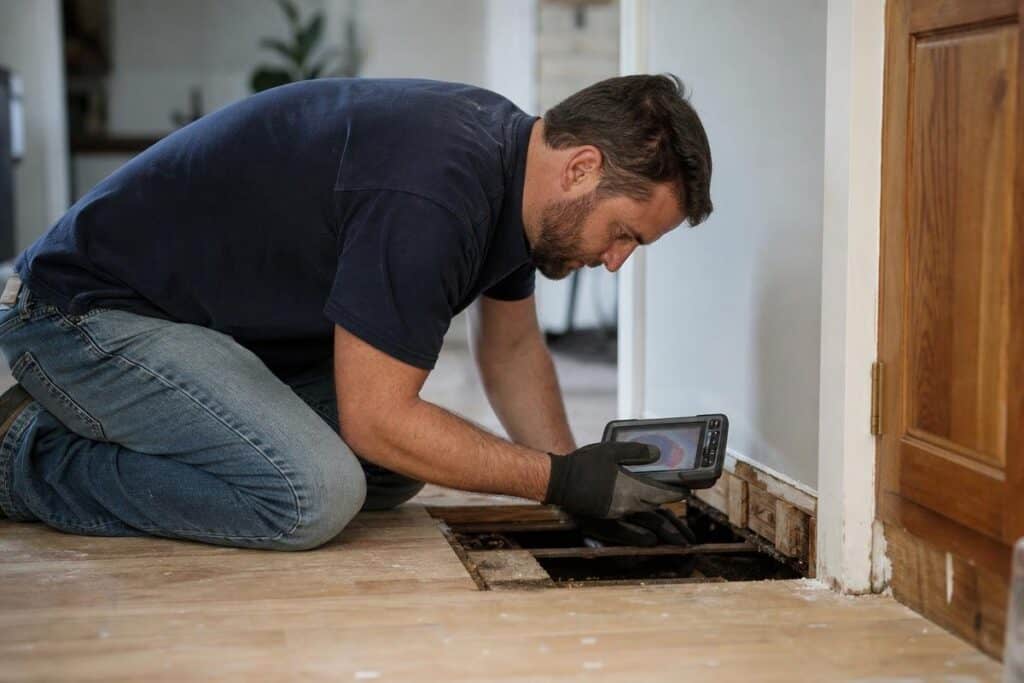
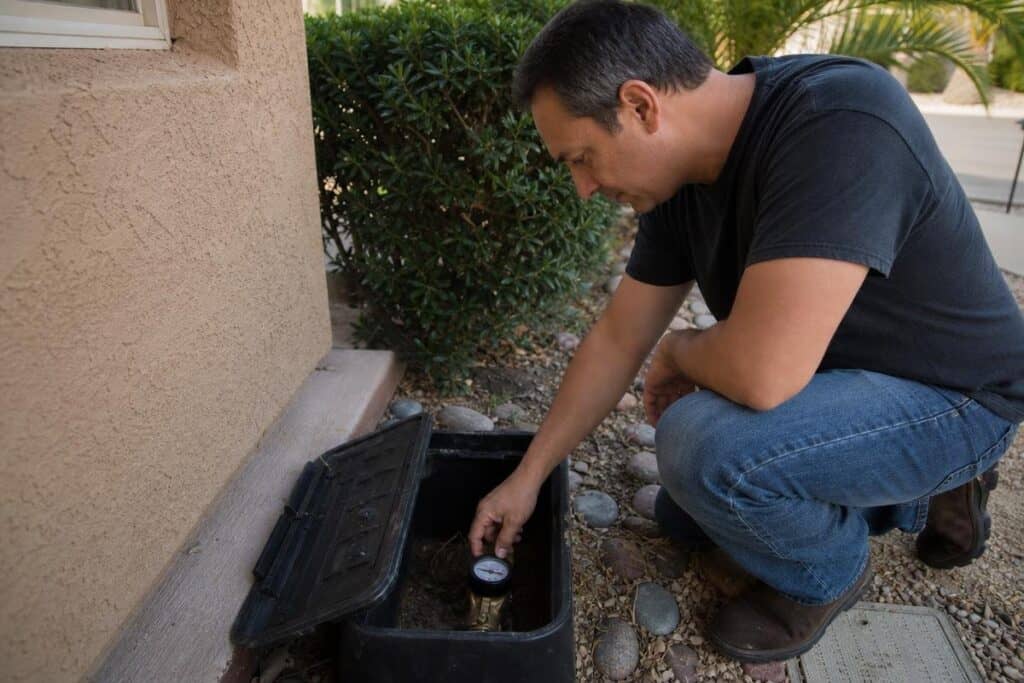
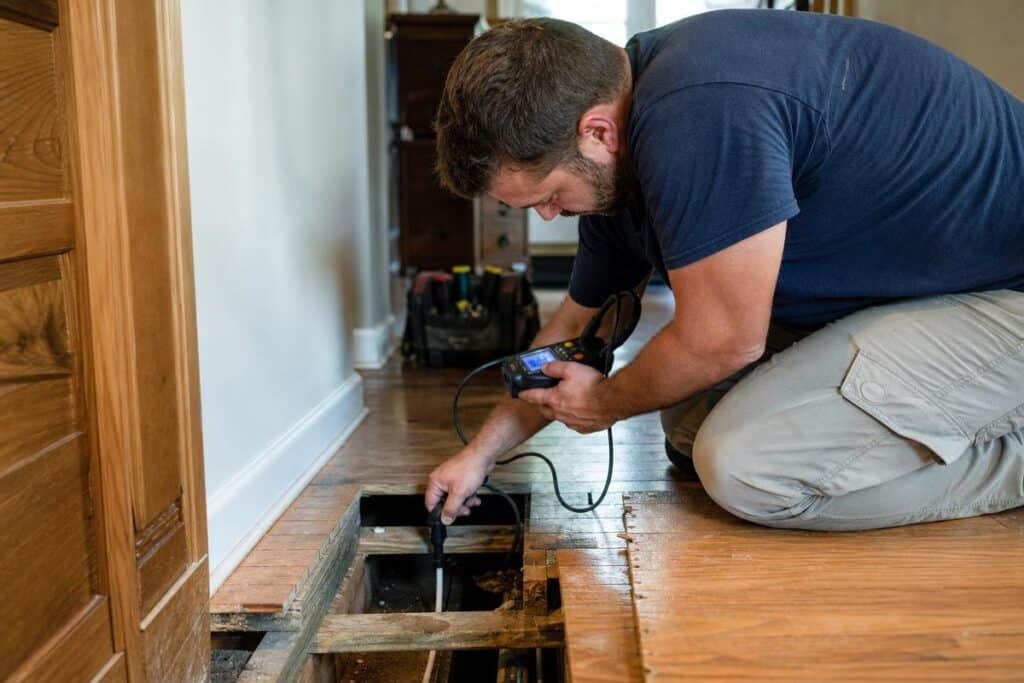
A proper visit may include checking the water meter, reviewing pressure behavior, inspecting accessible plumbing, using acoustic listening equipment, and checking moisture patterns. Not every home needs every test. The purpose is to identify the likely area and determine whether the evidence supports a below-slab leak before discussing repair options. For other concerns in your home, see our plumbing services.
What Does Slab Leak Detection Cost in San Marcos?
Detection-only pricing depends on the symptoms, number of possible water lines, access conditions, and testing needed to confirm the source. Costs can increase when symptoms are intermittent, multiple hot and cold water lines must be isolated, or additional diagnostic methods are required. Detection and repair should be estimated separately because repair access and restoration can change the total scope of work.
Detection Is a Diagnostic Service
You are paying for an evaluation that narrows down the source of a suspected hidden water leak. In homes with finished flooring over a concrete slab, moisture can appear away from the damaged pipe because water can travel beneath flooring or along the slab.
Detection does not automatically include opening flooring, cutting concrete, repairing pipe, or restoring surfaces. Once the likely leak location and repair approach are identified, the estimate can address access, pipe repair, rerouting, and any related work separately. Our slab leak detection service is designed to provide diagnostic information before major repair decisions are made.
What a Slab Leak Inspection May Include
A technician selects testing methods based on the symptoms, accessible plumbing, and the home’s water-line layout. A diagnostic inspection may include:
- Reviewing higher water use, warm spots, damp flooring, musty odors, or water sounds.
- Visible plumbing checks and water-pressure testing.
- Water meter observation after water-using fixtures and appliances are off.
- Acoustic listening equipment to help identify the sound of pressurized water escaping.
- Moisture detection to trace where water is collecting or migrating.
In San Marcos, a dry climate can make unexpected water use more noticeable, especially when there has been no change in household demand. A higher bill alone does not prove a slab leak, which is why testing is important. If you suspect a hidden plumbing problem, schedule a plumbing inspection. For an active leak or spreading water damage, call (760) 858-3830 for urgent plumbing help.
Need a clear diagnostic estimate before considering slab leak repair?
Four Factors That Change a Slab Leak Detection Estimate
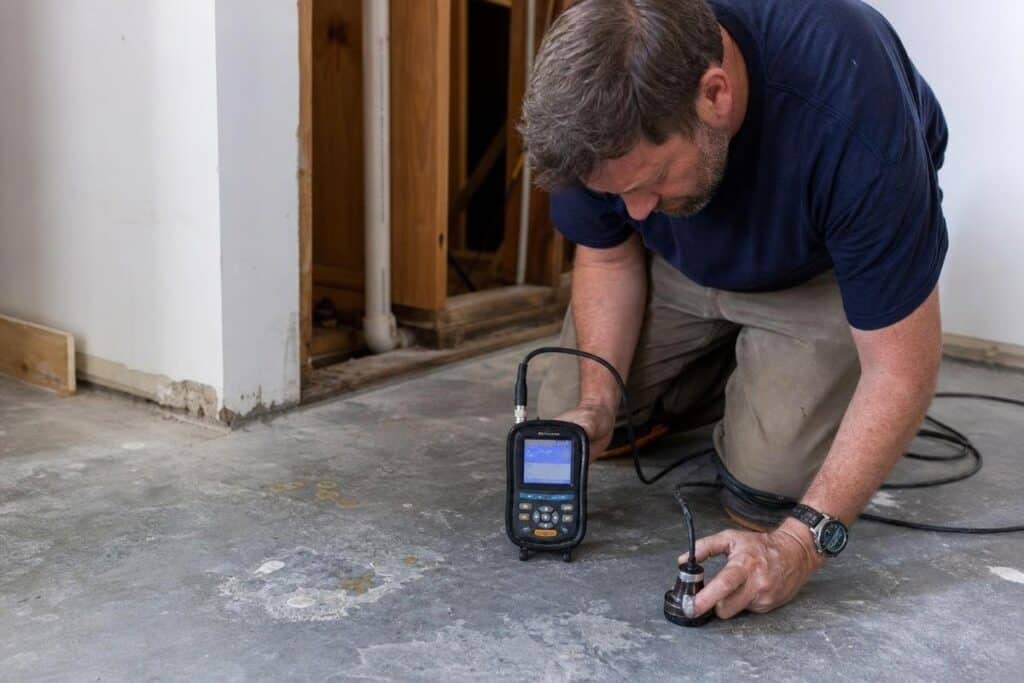
No two suspected slab leaks follow the same diagnostic path. The estimate depends on the symptoms present, the number of possible water lines involved, and whether the testing can narrow down the source without additional investigation.
1. Where the Symptoms Appear
Location affects the evaluation because access affects the work. A suspected leak below an open interior area may be simpler to assess than one near a wall, foundation edge, cabinet base, finished flooring, or built-in feature.
The goal is to gather reliable information before anyone considers opening flooring or concrete. Pinpointing the likely area first can help avoid unnecessary disruption.
2. How Clear the Leak Signals Are
Clear signs, such as a consistently moving water meter, pressure changes, a recurring damp area, or a distinct warm spot, can guide testing. Intermittent symptoms may require more investigation because pressure loss and pipe sounds can change as water is used throughout the day.
Before scheduling service, turn off faucets, irrigation, ice makers, and water-using appliances if possible, then observe whether the meter continues moving. That observation can be useful, but it cannot identify the location or cause of a leak by itself.
3. How Many Plumbing Lines Need Testing
Homes with several possible hot and cold water lines may require line isolation and separate testing to determine which section is losing water. This is particularly important when symptoms could be tied to more than one area of the home.
This step reduces guesswork and helps determine whether the issue is consistent with a concealed supply-line leak. Our slab leak detection service focuses on locating the likely source before a repair plan is made.
4. What the Confirmed Repair Requires
Repair pricing begins only after the problem has been diagnosed. The confirmed pipe location, pipe condition, practical access points, prior leak history, and affected finishes all influence the repair recommendation.
A repair method may involve targeted access, rerouting a line, or repiping. The appropriate choice depends on the specific failure, not on a one-size-fits-all approach.
If water is actively damaging flooring or you hear continuous running water with fixtures off, shut off the main water supply when it is safe to do so and call (760) 858-3830 for urgent plumbing assistance.
How Can You Tell If You May Have a Water Leak Under the Slab?
You may have a hidden leak below the slab if you notice warm floors, damp spots, changing water pressure, or water use that does not make sense. These signs do not confirm a slab leak, but they are good reasons to arrange professional testing.
Signs That Deserve a Closer Look
Watch for a warm area on tile, vinyl, or other finished flooring. A leaking hot-water line can create warmth, although sunlight and nearby appliances can also affect floor temperature. Damp flooring, musty odors, new mildew, and recurring moisture deserve prompt attention.
- A water meter that continues moving after water use stops.
- Lower water pressure at faucets or showerheads.
- Water sounds under the floor when fixtures are off.
- An unexplained increase in your water bill or water use.
- Recurring damp spots or warm areas in the same location.
Many homes use plumbing routed beneath or through concrete foundations, so the source can remain concealed even when symptoms are visible indoors. A slab leak detection service can help distinguish a below-slab issue from another plumbing or moisture problem.
Safe Checks You Can Do Before Calling
First, turn off faucets, irrigation, ice makers, and appliances that use water. Then check your water meter. If the meter continues moving, it may indicate a hidden leak, though it does not confirm where the leak is located.
Write down what you find. Note the location of warm or damp flooring, pressure changes, water sounds, and when you first noticed higher water use. Those details help our team narrow down the issue during a plumbing inspection.
Do not break concrete, pull up flooring, or attempt pipe repairs yourself. A concealed leak needs appropriate testing and a clear diagnosis before repair work begins.
Noticing possible slab leak signs? Call our team 24/7 at (760) 858-3830 for help.
What Happens After Slab Leak Detection?
After the inspection, you should understand the likely leak location, which plumbing line may be affected, and the repair choices that fit the conditions found. That information helps plan around access, flooring, and the confirmed source of moisture or pressure loss.
Reviewing the Findings
Our technician explains what the testing found and what it did not find. The inspection is intended to narrow down the source based on evidence, rather than recommend a repair before the pipe issue is confirmed.
You should receive an explanation of the suspected pipe location, the conditions observed, and the recommended next step. If repair is needed, the estimate can address the method, access requirements, and factors that affect the total scope of work.
If the symptoms point to a water heater concern, that issue needs its own evaluation. A water heater does not cause a slab leak, but separate equipment and plumbing problems can occur at the same time. Our water heater repair can help identify a separate equipment problem.
Choosing the Right Repair Path
A plumber does not always need to break through the slab. The appropriate repair method depends on the confirmed location, pipe condition, and practical access points in your home.
- Targeted access repair: This may involve opening a small area to reach and fix the damaged section. It can make sense when the pipe is accessible and the rest of the line is in good condition.
- Rerouting: A new water line is run around the problem area. This option may avoid difficult access beneath flooring or a heavily used room.
- Repiping: This is a larger project that may be discussed after repeated leaks, widespread pipe concerns, or multiple affected sections. Our repiping services can address broader water line issues.
We Care Plumbing, Heating and Air has served Southern California since 2000. If you need help after a slab leak inspection, call (760) 858-3830 for plumbing guidance and urgent service.
Why San Marcos Homes Need a Local Slab Leak Evaluation
A local evaluation helps identify the actual source before you plan a repair. In San Marcos, unexplained water use may be easier to notice during dry periods, but a higher bill alone does not confirm a leak below a slab. Our team works from 445 Ryan Dr # 101, San Marcos, CA 92078, and evaluates the plumbing system instead of guessing.
Concrete Slabs Can Hide the Source
Water lines may run beneath or through a concrete slab foundation. Finished flooring, cabinets, and the slab itself can conceal the pipe location, while a warm spot or damp area may appear away from the actual leak.
Professional testing can include pressure checks, listening equipment, moisture detection, and other noninvasive methods to narrow down the source. This helps clarify what the diagnostic visit found before you choose a repair method. Our slab leak detection service focuses on locating the concern with as little disruption as possible.
A Local Inspection Separates Similar Plumbing Problems
Similar symptoms can come from other plumbing or moisture problems. A leaking fixture line, water heater connection, drain issue, irrigation leak, or moisture entering from another area can all cause dampness or unusual water use.
A professional inspection checks pressure, visible connections, water-use patterns, and the areas where symptoms appear. That process helps determine whether the issue is actually beneath the slab or requires a different repair approach.
If testing points to a damaged water line, we can discuss the next steps and related plumbing repair. If you have a sudden active leak, contact our team for urgent plumbing help.
Frequently Asked Questions
A water leak under a slab can raise urgent questions about damage, insurance, and next steps. Here are clear answers for homeowners in San Marcos and nearby San Diego County communities.
Does Homeowners Insurance Cover a Slab Leak?
Coverage depends on your policy, the cause of the leak, and the damage it created. A policy may cover access work or resulting water damage, but not the failed pipe itself.
Call your insurer before repair work begins and ask about your deductible, access coverage, and flooring damage. Keep the diagnosis and repair recommendations for your claim records.
Can a Leak Be Located Without Breaking Concrete?
Yes, a plumber can often locate a suspected leak without opening the concrete slab first. Electronic listening equipment, pressure testing, thermal imaging, and tracer gas testing can help narrow down the leak location.
These methods reduce unnecessary access work, but a repair may still require opening a small area or rerouting the line. Our slab leak detection service helps identify the problem before you choose a repair method.
Should I Shut Off My Water If I Suspect a Slab Leak?
Shut off your main water supply if water damage is spreading, a floor is actively getting wet, or you hear water running with fixtures off. This can limit damage while you wait for help.
If the leak seems less severe, avoid using water until a plumber can check it. Our phones are answered 24/7, so call right away for urgent active leaks.
How Do I Get an Estimate for Slab Leak Work?
Call (760) 858-3830 or use our contact page to schedule a slab leak inspection. Tell our team about damp flooring, unexplained water use, lower pressure, warm spots, or water sounds.
After diagnosis, we will explain the recommended work, the repair method, and what affects your slab leak repair cost. If you have a damp floor, unexplained water use, lower pressure, or water sounds with fixtures off, call We Care Plumbing, Heating and Air. Tell our team what you have noticed, and we can help you schedule a slab leak inspection and explain the next steps after diagnosis.
Ready to Get Started with We Care Plumbing, Heating and Air?
Call (760) 858-3830 to speak with our team directly. We’re ready to answer your questions, walk you through your options, and help you find the right solution for your needs. Whether you’re just starting to plan or ready to move forward, we’ll make the process simple and stress-free.
Reach out today and let’s talk about how we can help.