

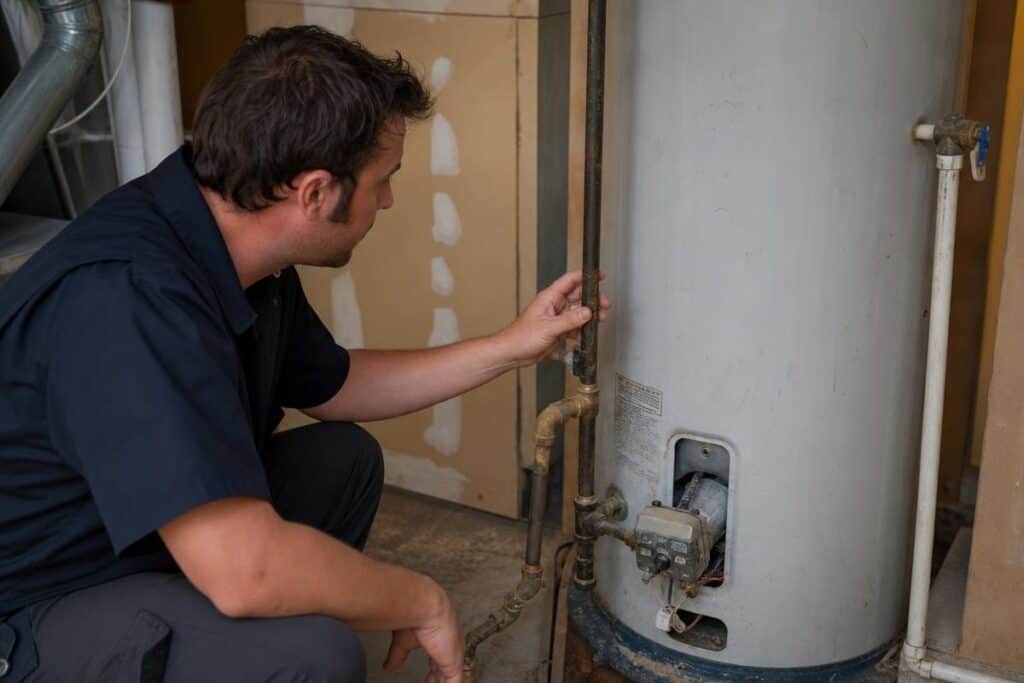
A water heater making noise can be caused by sediment, pipe vibration, a heating component, or a pressure-related safety issue. This guide helps Murrieta homeowners match common sounds to likely causes and know when to stop using the unit. If you smell gas, see steam or active leaking, or notice water discharging from the relief valve, move away from the area and seek prompt professional help.
Hearing a new sound from your hot-water system? Schedule an inspection to identify the source before it turns into a leak, loss of hot water, or safety concern.
Key Takeaways
- Rumbling and popping in a tank often point to mineral sediment heating at the bottom of the unit.
- Hissing with visible water, steam, or relief-valve discharge requires prompt evaluation.
- Humming, clicking, whistling, and banging can come from electric elements, gas ignition, water flow, recirculation equipment, or moving pipes.
- Do not cap, plug, or block a temperature and pressure relief valve discharge pipe.
What Does Each Water Heater Sound Usually Mean?
The timing and location of a sound offer useful clues. In Murrieta homes, a tank may be installed in a garage, utility space, closet, or exterior enclosure, so nearby framing and plumbing can amplify vibration. Mineral scale can also collect over time in storage tanks and tankless heat exchangers, making maintenance especially important when popping or reduced hot-water capacity develops.
| Sound | Where It Is Heard | Likely Cause | Urgency | Safe Homeowner Action |
|---|---|---|---|---|
| Rumbling or popping | Low in a tank during heating | Sediment or scale trapping water | Schedule service | Note when it occurs and watch for reduced hot water. |
| Hissing or sizzling | Burner area, element area, or valve | Condensation, a leak, or relief-valve discharge | Prompt if water or steam is present | Keep clear of hot surfaces and inspect the floor from a safe distance. |
| Hum or buzz | Electric tank, pipes, or nearby wall | Vibrating heating element or pipe contact | Schedule service if new or louder | Do not remove electrical access panels. |
| Clicking | Gas control, tankless unit, or recirculation equipment | Normal ignition sequence, control activity, or a failed ignition attempt | Prompt if no hot water follows | Record the sound and note any error code. |
| Whistling or banging | Valves, piping, or inside the tank | Restricted flow, pressure change, or moving pipes | Prompt if severe or paired with leaking | Do not close valves unless you know their function. |
Rumbling and Popping Sounds
Rumbling or popping from a storage tank commonly means mineral sediment has settled at the bottom. Water trapped below the buildup can overheat and force its way through the layer, creating a pop, rumble, or burping sound.
Listen for the sound during a heating cycle and note whether your household runs out of hot water sooner than usual. A professional flush may help with loose buildup, while heavy sediment, corrosion, or an aging tank calls for a more careful evaluation. Our water heater maintenance service can assess the tank and its safety components.
Hissing or Sizzling Sounds
Hissing is not automatically a leak. Condensation can make a brief sizzle on a hot surface, particularly when a cold tank first begins heating. Persistent noise, however, can mean water is dripping onto a burner area or electric heating area.
Check the surrounding floor and visible piping without touching hot components. Active discharge from the temperature and pressure relief valve is not a simple valve issue. It can indicate excessive pressure, overheating, thermal expansion trouble, or a failed valve and needs prompt professional evaluation. Never cap, plug, or block its discharge line.
Humming and Clicking Sounds
On an electric tank, a hum may come from a heating element vibrating as it operates. It can also travel through pipes that contact framing or a loose pipe strap. Notice whether the sound begins only when the unit heats.
On a gas tank, one click before burner operation can be part of normal ignition or control activity. Repeated clicking without ignition, a whoosh followed by no heat, or cool water after the sequence indicates the system should be inspected. Tankless units may also click during ignition or when a recirculation system calls for hot water.
Screeching, Whistling, or Banging Sounds
Screeching or whistling often comes from restricted water flow at a valve, pipe connection, or scale-affected component. Banging may be water hammer, changing pressure, or pipes shifting as hot water moves through them. If the sound occurs only when a faucet or appliance starts and stops, the piping may be the source rather than the heater itself.
Do not adjust gas venting or randomly turn valves. Gas venting must be correctly installed to move combustion gases outdoors, and an unfamiliar shutoff may affect the system. Arrange water heater repair if the sound is new, worsening, or accompanied by inconsistent hot water.
Do Not Ignore These Sounds
- Loud, sudden banging from the tank
- Persistent sizzling with visible moisture or steam
- A gas smell near a gas-fired unit
- Visible water around the heater
- An actively discharging temperature and pressure relief valve
If you smell gas, leave the area immediately. Do not use flames, operate electrical switches, or use a phone near the suspected leak. From a safe distance, contact the gas utility or emergency services, then contact a plumbing professional for the water heater concern.
Gas odor, steam, pooling water, or relief-valve discharge should not wait. Call from a safe location for guidance on a suspected unsafe water heater.
The 6 Most Common Causes of a Noisy Water Heater
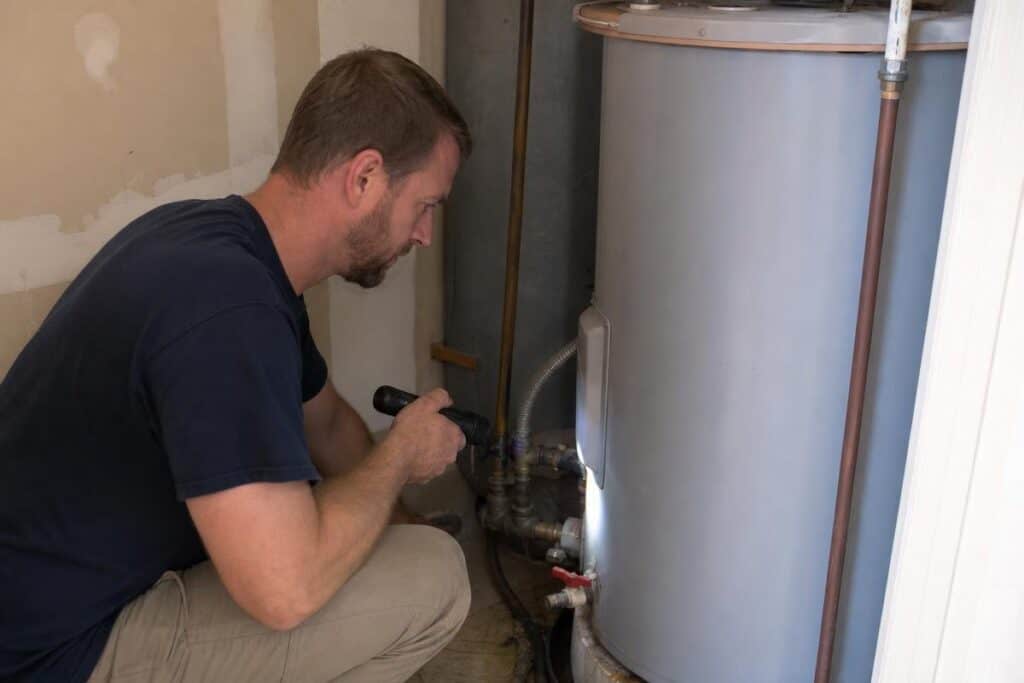
Unusual tank noises generally trace back to sediment, vibration, leaking water, an electric component, pressure conditions, or gas burner operation. A diagnosis should account for whether you have a gas tank, electric tank, or tankless model before any repair decision is made.
1. Sediment Buildup in the Tank
Sediment is a frequent reason for popping from a tank water heater. Minerals settle along the bottom, where they trap water. As that water heats, it escapes in small bursts and creates popping or rumbling.
A flush can remove loose material, but it is not automatically the right choice for every older unit. Heavy buildup and corrosion may affect the safest next step. Routine water heater maintenance helps identify sediment before it becomes more disruptive.
2. Loose Pipes, Mounting Points, or Venting
Vibration can pass through copper or PEX piping, framing, pipe straps, and nearby surfaces. This may sound like tapping, rattling, or humming whenever hot water flows. In garage and utility-area installations, the surrounding structure can make a small vibration seem louder than it is.
Pipe supports may need adjustment, but gas venting should never be altered by a homeowner. A vent pipe must remain correctly installed so combustion gases are carried safely outdoors.
3. Leaks at Connections, Valves, or the Tank Base
Look for visible water near top connections, the drain valve, the relief-valve discharge pipe, and the tank base. A drip can hiss or sizzle when it reaches a hot surface.
A leaking fitting may be repairable, while water collecting beneath the tank can indicate tank failure. A technician can determine the source during water heater repair in Murrieta and discuss replacement when a damaged tank is no longer a practical repair.
4. A Failing Electric Heating Element
An electric heating element heats stored water inside an electric tank. When an element is scaled, loose, or failing, it may hum, buzz, or crackle during operation.
Electric units contain live components. Turn off power at the breaker before touching the unit, and do not remove access covers to investigate. Testing elements, wiring, and controls should be left to a trained technician.
5. Excess Water Pressure or a Relief Valve Problem
High water pressure can contribute to banging, whistling, or repeated relief-valve discharge. The temperature and pressure relief valve is a critical safety device that opens when tank temperature or pressure becomes unsafe.
Repeated discharge requires professional evaluation of the valve and the conditions causing it, such as excessive supply pressure, overheating, or thermal expansion. A technician may inspect the pressure-reducing valve and expansion tank where applicable. Never cap or plug the discharge pipe.
6. Gas Burner or Ignition Concerns
Delayed ignition can create a small boom or whoosh in a gas-fired tank. Burner buildup, ignition problems, or combustion-air concerns can also create unfamiliar sounds.
Gas odors, delayed ignition, burner trouble, or signs of combustion problems require prompt attention. Leave immediately if you smell gas, avoid switches and flames, and contact the gas utility or emergency services from a safe location before arranging service.
Which Water Heater Noises Are Dangerous?
Many sounds are maintenance-related, but prompt help is needed when noise comes with gas odor, steam, scorching, active leakage, or repeated relief-valve discharge. A loud, sudden bang deserves added caution when it occurs with any of these warning signs.
Signs That Need Prompt Professional Attention
Hissing accompanied by leaking water or steam needs immediate attention. The relief valve protects the tank when temperature or pressure rises too high. Repeated or active discharge can involve an overheating condition, excess pressure, thermal expansion, or a failed valve, so the cause must be evaluated rather than simply stopping the drip.
- Gas odor near a gas water heater
- Steam, scorching, or a burning smell
- Water pooling around the tank or connections
- Repeated water discharge from the relief valve
- Hissing with a leak, or signs of carbon monoxide concern
Move away from a suspected gas leak and avoid switches, flames, phones, and electrical equipment nearby. Call the gas utility or emergency services from a safe distance. For a leaking or unsafe unit without a gas emergency, use water heater repair to have the source identified.
Safe Steps to Take Around a Suspected Water Heater Problem
Keep children and pets away from the unit. Do not remove access panels, attempt gas-line or electrical repairs, or touch hot leaking water.
If it is safe to do so, use the unit’s normal shutoff control and stop using hot water until the issue is assessed. An inspection can include the tank, connections, venting, valves, and pressure-related components. Depending on the condition, repair may be appropriate or replacement planning may make more sense. For help in the area, contact our Murrieta plumbing, heating, and air team.
Safe Troubleshooting Steps Before You Call
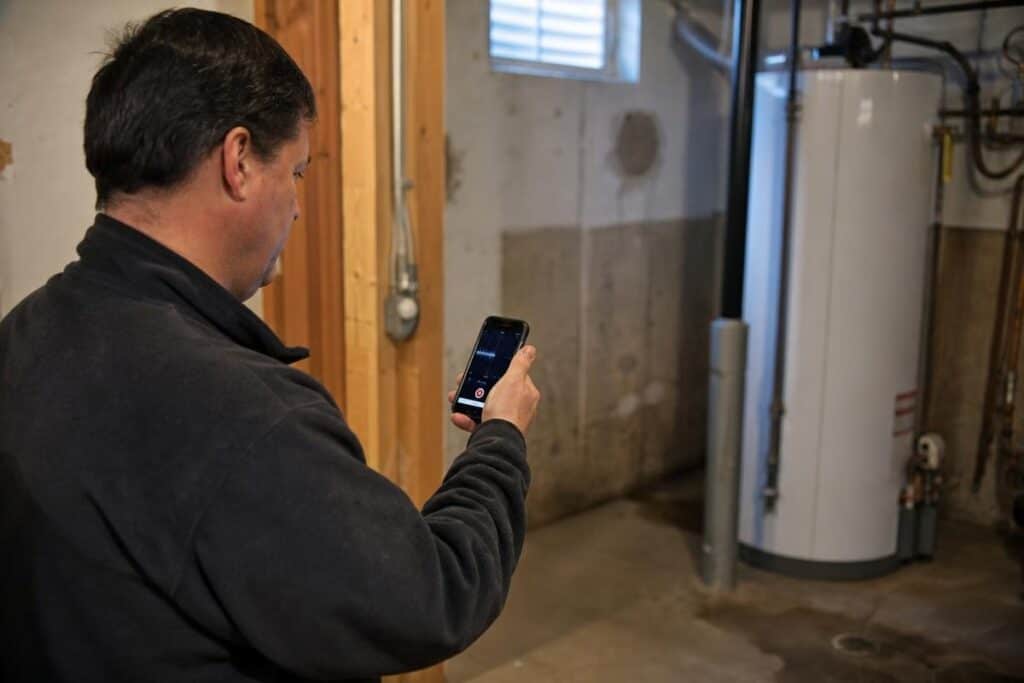
Before calling about a water heater making noise, gather a few details without opening the unit or touching hot surfaces. Knowing when the sound occurs helps distinguish a tank heating cycle from pipe noise, faucet-related water hammer, or tankless operation.
A Simple No-Disassembly Checklist
Use this quick checklist. Do not remove covers, disconnect pipes, or try to repair internal parts.
- Note when the sound happens. Does it occur while the tank heats, while a hot-water faucet runs, after a recirculation cycle, or all the time?
- Look at the floor and visible nearby connections for moisture. Do not touch hot pipes, wiring, or the water heater itself.
- Check your hot water at a faucet. Write down if it looks rusty, feels lukewarm, has reduced supply, or runs out unusually fast.
- Record the sound from a safe distance. A short recording can help identify popping, rumbling, humming, clicking, or sizzling patterns.
Share these details when you schedule service. They can help narrow the possibilities before the visit, including sediment, pressure changes, a loose pipe, or a component issue.
What Not to Do With a Noisy Water Heater
Do not drain a hot tank unless you understand the full process. Rumbling often involves sediment, but draining hot water can cause burns and an older drain valve may not reseal properly.
Never remove access panels, alter gas connections, block the relief-valve discharge pipe, or repeatedly reset a breaker. If you smell gas, see active leaking, or hear sharp hissing with steam, stop using the unit and seek help. Our team can inspect the system safely.
Have a noisy water heater? Call We Care Plumbing, Heating and Air at (951) 277-6848 for a diagnostic appointment or maintenance visit.
How Can You Prevent Water Heater Noise?
Regular service can reduce sounds caused by developing sediment, scale, vibration, and worn connections. A maintenance visit can also identify corrosion, safety-device concerns, and changing performance before the issue interrupts hot water.
What Professional Water Heater Maintenance Includes
Professional maintenance begins with a visual inspection of the tank, pipes, fittings, and surrounding area. The visit may include checking connections, the temperature and pressure relief valve, and other accessible safety components while evaluating the tank’s condition and operating sounds.
Flushing can help remove loose sediment that contributes to popping, but an older water heater should not always be flushed without assessing its condition first. Heavy buildup or corrosion can change the safest recommendation. Our water heater maintenance service helps determine what your equipment needs.
When Water Quality May Be Part of the Problem
Recurring mineral-related noises can point to water-quality concerns. Scale can collect inside a storage tank or on heating surfaces, affecting flow, heat transfer, and operating sound. A technician can inspect the symptoms and discuss whether water quality treatment may help protect your plumbing equipment.
Maintenance Needs for Tankless Water Heaters
Tankless units need different care because they heat water through a heat exchanger instead of storing it in a tank. Mineral buildup can still affect flow, heating, and noise, while fans and ignition systems can create normal operating sounds.
Unusual noises, reduced flow, or error codes should be evaluated by a qualified technician who handles tankless water heater maintenance. Maintenance cannot prevent every failure, but it gives you a clearer picture of the system’s condition and helps guide repair or replacement decisions.
Why Murrieta Homeowners Should Not Ignore a New Water Heater Sound
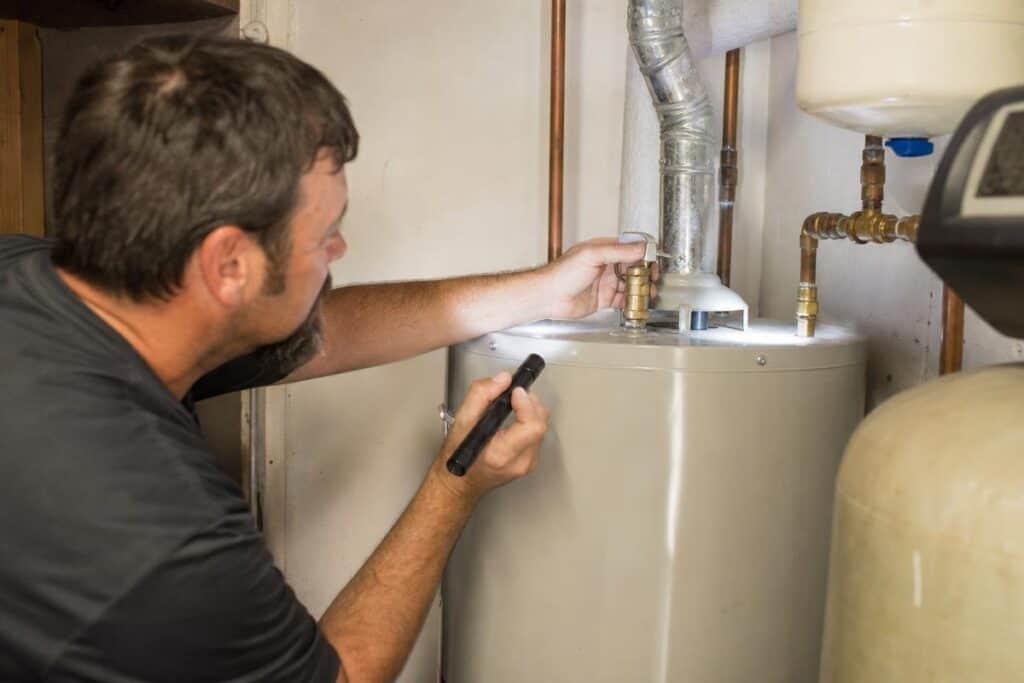
A new or worsening sound can be an early sign of sediment, leakage, pressure trouble, or a failing component. Addressing it before hot water performance changes may help prevent a more disruptive repair visit.
A New Sound Can Be an Early Warning
A noisy hot-water system does not always mean an emergency, but repeated popping, rumbling, humming, or vibration should not be ignored. The underlying condition can worsen as scale accumulates, a fitting starts to leak, or a component loses reliability.
Schedule a check soon if the sound comes with water around the tank, a gas or burning odor, rusty water, reduced hot-water supply, or changing water temperature. An inspection can evaluate the tank, valves, visible connections, relief valve, and applicable operating components.
Local Help From a Murrieta-Based Team
We serve homeowners from 41085 Golden Gate Cir, Murrieta, CA 92562. We Care Plumbing, Heating and Air can help assess unusual heater sounds and explain whether maintenance, repair, or replacement is the appropriate next step.
If a sound keeps returning or gets louder, arrange a plumbing inspection, especially if you also notice water, odor, or inconsistent hot water.
Do not wait for a recurring noise to become a cold shower or water-damage problem. Request an inspection and get a clear recommendation for your system.
Frequently Asked Questions
These quick answers can help homeowners narrow down a new water heater sound. A persistent noise, leak, or loss of hot water still needs a professional inspection.
Why Is My Water Heater Making a Popping Noise?
A popping noise from a water heater usually means sediment is trapping water at the tank bottom. The trapped water heats and releases as steam. Persistent popping or weak hot water calls for an inspection.
Can Sediment Damage a Water Heater?
Yes. Sediment can reduce efficiency, make the tank work harder, and contribute to overheating or part wear. Regular water heater maintenance can help catch buildup before it worsens.
Why Does My Water Heater Hum?
Humming can come from vibration, a loose pipe, or an electric heating element. The sound is not always serious, but a new or louder hum should be checked.
Should I Flush a Noisy Water Heater?
Flushing may help, but it depends on the unit’s age and condition. Older tanks can have hidden corrosion, so our team can advise if flushing is appropriate.
What Does Hissing and Leaking Mean?
A water heater hissing sound may point to a leak, pressure issue, or water contacting a hot surface. Turn off the unit if water is actively leaking, then arrange service.
Can Tankless Water Heaters Make Unusual Noises?
Yes. A tankless unit may make clicking, humming, or rumbling sounds from scale, fan operation, or internal parts. Schedule tankless water heater repair if the sound continues.
If your water heater keeps rumbling, popping, hissing, or losing hot water, contact We Care Plumbing, Heating and Air at (951) 277-6848 or use our contact page to request an inspection.
Ready to Get Started with We Care Plumbing, Heating and Air?
Call (951) 277-6848 to speak with our team directly. We’re ready to answer your questions, walk you through your options, and help you find the right solution for your needs. Whether you’re just starting to plan or ready to move forward, we’ll make the process simple and stress-free.
Reach out today and let’s talk about how we can help.