

How Indoor Humidity Works
To understand why indoor humidity can rise in winter, it helps to look at how humidity actually works. Relative humidity is the measurement of how much moisture is in the air compared to how much moisture the air can hold at that temperature. Warm air can contain a lot of moisture, while cold air holds very little. That’s why outdoor air in summer feels muggy and winter air outside often feels dry. Indoor air, however, is another matter. Inside your home, humidity behaves differently. In the summer, a standard air conditioner can remove moisture from the air—on particularly muggy afternoons, it could extract up to five to 20 gallons of water per day . Most heating systems, however, don’t remove moisture in the same way. During winter, homes are sealed to keep heat inside, which traps moisture. Everyday activities like cooking, showering, doing laundry, and even breathing add more moisture to the air. As a result, your indoor humidity can rise even when the air outside is cold and dry. The Environmental Protection Agency (EPA) recommends maintaining indoor relative humidity between 30% and 50% for a healthy and comfortable home . Staying within this range prevents the growth of mold and dust mites and reduces the risk of moisture damage to your home’s interior.Causes of High Indoor Humidity in Winter
Indoor humidity often rises in winter due to a mix of home design, daily habits, and airflow challenges. Understanding these causes can help you spot why your home feels damp or stuffy and what to do about it. Here are the main factors that can drive up moisture in your home during the colder months: Tightly Sealed, Energy-Efficient Homes Modern homes—and older homes that have been updated—are often well-insulated and tightly sealed to conserve heat. While this reduces energy costs, it can also trap moisture indoors, raising indoor humidity levels. Everyday Activities Add Moisture Daily tasks like cooking, showering, and doing laundry release water vapor into your home. Even breathing contributes—an average person exhales up to 400g of water vapor a day (the equivalent of up to a pint of liquid water). Winter gatherings and closed windows can make the problem worse by keeping this moisture trapped inside. Insufficient Ventilation Many homes don’t have enough airflow to remove excess moisture. Kitchen range hoods and bathroom fans may exist but aren’t always used, or older fans may no longer work effectively. Basements and Crawl Spaces Low areas like basements and crawl spaces can harbor extra moisture, especially if there’s water intrusion or poor sealing. This moisture can rise into your living spaces, adding to high indoor humidity. All of these factors can combine to create high indoor humidity during the colder months. Left unchecked, this excess moisture can lead to condensation, mold growth, and even damage to wood and other building materials—making it important to recognize the signs and take action.How Indoor Humidity Affects Your Home in Winter
High indoor humidity in winter can affect your home, your family’s health, and your comfort. It can even drive up your energy bills over time. Watch for these key risks to your home, health, and energy use:Condensation and Window Damage
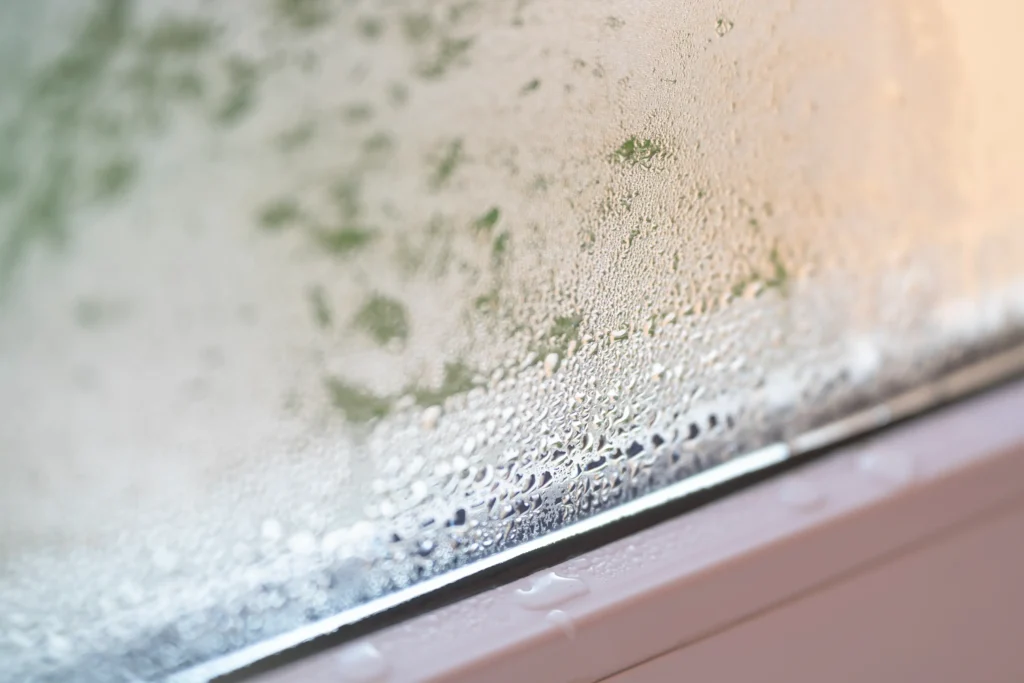
One of the most noticeable signs of high humidity in the winter is condensation on your windows. When warm and moist air meets cold window glass, the moisture rapidly cools and forms water droplets. Over time, this can lead to damage to your window frames, compromising their structure and appearance.Damage to Wood and Personal Possessions
Extended exposure to high humidity levels can also damage the structure of your home. Wood is particularly susceptible to moisture, and when it absorbs too much humidity, it can warp, swell, or even rot. This can lead to costly repairs, particularly if your wooden flooring, furniture, or structural components are affected. Beloved items, such as antique picture frames or musical instruments, may also suffer irreversible damage from prolonged exposure to damp conditions.Mold Growth and Health Concerns
Mold thrives in warm and damp conditions, and high humidity levels create an ideal environment for it to grow on your home’s ceilings, walls, and other surfaces. This isn’t just an aesthetic issue. Mold spores can spread throughout your home, becoming airborne and potentially causing health problems. Prolonged mold exposure can lead to respiratory issues, including allergic reactions, asthma attacks, and other chronic health problems. Addressing high humidity can help prevent the spread of mold and protect your family’s well-being. For more information, consult our guide, “ How Humidity Levels Affect Your Comfort and Health .”Higher Energy Costs from Excess Indoor Humidity
High humidity in your home can also impact its energy efficiency. Damp air does not retain heat as effectively as dry air, meaning your home may feel colder than it actually is. As a result, you or others in your household may raise the thermostat to compensate, leading to higher heating bills. Managing humidity levels in your home can help maintain a more comfortable indoor temperature without running your heating system unnecessarily.Tips to Manage Winter Indoor Humidity
One of the easiest ways to control indoor humidity is to keep the air moving. This can help prevent condensation, mold growth, and damage to your home. Here are some practical steps:- Use exhaust fans regularly: Ask everyone in your home to turn on kitchen and bathroom fans during cooking, showers, and laundry. These fans remove warm, moist air that can raise indoor humidity.
- Upgrade old fans: Newer, high-performance models remove moisture more efficiently and help prevent humidity buildup.
- Install a whole-home ventilation system: Systems like an ERV (Energy Recovery Ventilator) or HRV (Heat Recovery Ventilator) push out stale, humid air while bringing in fresh outdoor air, all while keeping your home comfortable.
- Keep air circulating: Use ceiling fans or keep interior doors open to allow air to flow freely throughout your home.
- Monitor indoor humidity: Consider using a hygrometer to track your home’s humidity and keep it in the recommended 30–50% range.
- Limit moisture-producing activities: Cover pots when cooking, take shorter or cooler showers, and make sure laundry areas are well-ventilated.