

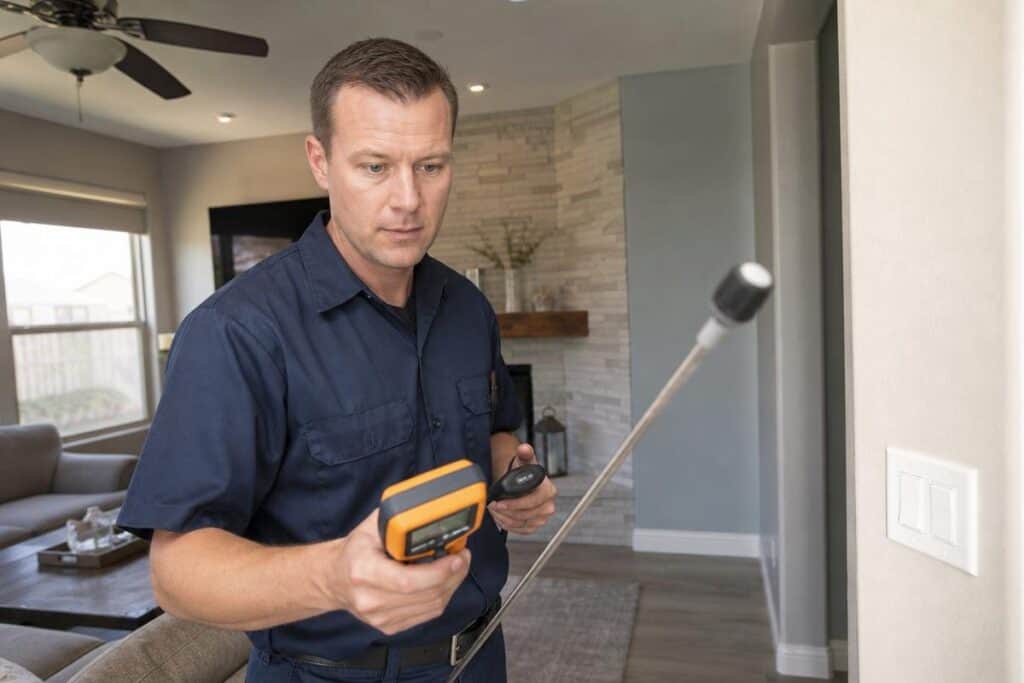
Orange, CA homes seal tight against our scorching summers, and that’s exactly when indoor air pollutants build up fast. Dust mites, mold spores, carbon monoxide, VOCs from building materials, and particulate matter from offshore wind events can all concentrate inside your home without you knowing it. We Care Plumbing, Heating and Air has been serving Orange and the surrounding area since 2000, and our team knows exactly what’s hiding in the air your family breathes every day. Worried about what’s in your home’s air? Our team can help you find out and fix it.
Key Takeaways
- Common indoor air pollutants in Orange, CA homes include mold, dust mites, carbon monoxide, VOCs, and wildfire smoke particulate matter.
- Santa Ana winds push outdoor PM2.5 and smoke into sealed homes through HVAC intakes and gaps in the building envelope.
- Many indoor pollutant sources are invisible, including off-gassing from building materials, adhesives, and water heater chloramine emissions.
- Air scrubbers, filtration upgrades, and proper ventilation are proven ways to reduce pollutant levels inside your home.
- A professional IAQ assessment is the most reliable way to identify which pollutants are actually present in your specific home.
The EPA has found that indoor air is typically 2 to 5 times more polluted than the air outside. For homeowners across Orange County, that number is a genuine eye-opener. You keep your windows shut for months during summer heat and dry offshore wind events.
That sealed environment traps dust mites, biological pollutants, volatile organic compounds, and particulate matter with nowhere to go. The California Air Resources Board has also documented that wildfire smoke can drive regional PM2.5 far above the federal 24-hour standard of 35 micrograms per cubic meter, and those particles do not stay outdoors.
We Care Plumbing, Heating and Air has been serving homes across Orange County since 2000. Our team has walked through thousands of local homes, and we see the same indoor air pollutants show up again and again. Understanding how HVAC systems impact your indoor air quality is a big part of fixing the problem.
Below are 10 indoor air pollutants common in homes across Orange, Anaheim, Santa Ana, and the surrounding Orange County communities. For each one, we cover the source, the health effects, and one practical fix you can act on today.
What Are the Most Common Indoor Air Pollutants in Orange, CA Homes?
Homes in the Orange County corridor face indoor air quality challenges that most other parts of the country simply don’t deal with. Three specific factors stack on top of each other here: sealed homes running AC nearly year-round, wildfire smoke carried by offshore wind events, and hard water chemistry that feeds hidden moisture problems. Each one is a distinct mechanism. Together, they make indoor air quality in Southern California a real concern worth taking seriously.
Why Do Sealed Homes Trap Recirculated Air?
Summer highs in Orange and the surrounding cities regularly top 95°F. That means your AC runs for months without a break. Your home stays sealed tight, and the same air cycles through your system over and over. Biological pollutants like dust mites, pet dander, and mold spores concentrate without dilution from fresh outdoor air.
Volatile organic compounds from furniture, flooring, and cleaning products build up the same way. In newer Orange County construction, off-gassing from fresh building materials adds to that load in the first few years after move-in. Check out our summer HVAC energy-saving tips to keep your system running efficiently while managing air quality at the same time.
How Do Wildfire Smoke and Santa Ana Winds Affect Indoor Air?
You keep your windows closed during a wind event. That helps, but it doesn’t fully protect you. Offshore winds push particulate matter and nitrogen dioxide through HVAC return air intakes and small gaps in your building envelope.
Homes backing up to open hillside terrain near Santiago Hills and the surrounding foothills face higher exposure. PM2.5 particles are small enough to pass through standard 1-inch filters and settle deep in your ductwork. Read our guide on preparing your HVAC system for wildfire season before the next event hits.
How Does Hard Water Create Hidden Moisture Problems?
Local municipal water carries moderate calcium and magnesium mineral content. Hot showers off-gas chlorine and chloramines into bathroom air. Scale buildup inside water heaters creates conditions that support bacterial growth. The bigger issue is moisture cycling: dry offshore wind conditions drop indoor humidity sharply, then marine layer intrusion pushes it back up.
That swing creates ideal conditions for mold and mildew inside ductwork, under bathroom sinks, and behind walls. Our whole-home water quality treatment options address the source of that mineral load before it becomes an air quality problem. Want cleaner air before wildfire season hits? Schedule an IAQ assessment with our NATE-certified team today.
The 10 Most Common Indoor Air Pollutants in Orange, CA Homes
Most of these pollutants are already in your home right now. Tract homes with carpet, attached garages, gas appliances, and AC running most of the year create the perfect conditions for all ten. Here is what you are dealing with and what to do about each one.
1. Dust Mites
Dust mites are microscopic pests that live in bedding, carpet, and upholstered furniture. They are one of the most common biological pollutants in homes and a major trigger for asthma and allergies. Wall-to-wall carpet in the tract homes built during the early 2000s Orange County construction boom is a particularly deep dust mite reservoir. HEPA filtration and regular duct cleaning are your best controls. Wash bedding weekly in hot water and keep indoor humidity below 50 percent.
2. Mold and Mildew
Mold is a moisture-driven fungus that grows under sinks, inside bathroom walls, and inside ductwork where condensation collects. It produces spores that irritate your lungs and sinuses. Fix the moisture source first with a plumbing repair, then address air filtration. Mold will come back if the water source stays.
3. Carbon Monoxide
Carbon monoxide is an odorless, colorless gas produced by incomplete combustion. It comes from gas furnaces, water heaters, and vehicles idling in attached garages. Install CO detectors on every level of your home and schedule annual furnace maintenance service to catch cracks in heat exchangers before they become dangerous.
4. Volatile Organic Compounds (VOCs)
VOCs are carbon-based chemicals that off-gas from paints, adhesives, new flooring, and cleaning products. In fast-growing areas of Orange County where new construction is booming, many homeowners notice headaches and eye irritation in the first year after move-in. Ventilate aggressively and consider CareAire Air Scrubber installation to break down volatile organic compounds at the source.
5. Radon
Radon is a naturally occurring radioactive gas that enters through foundation cracks and soil gaps. California averages run below the national average, but slab-foundation homes should still test. Radon test kits are inexpensive and available at most hardware stores. If levels read above 4 pCi/L, call a certified mitigation contractor.
6. Particulate Matter (PM2.5 and PM10)
Particulate matter is a mix of fine solid and liquid particles that enter from wildfire smoke, road dust, and everyday cooking. High-wind smoke events push outdoor PM2.5 directly into sealed homes through HVAC return intakes. Upgrade to a high-MERV filter and run your air scrubber during smoke events. The wildfire section above covers this connection in more detail.
7. Nitrogen Dioxide
Nitrogen dioxide is a combustion gas produced by gas stoves, unvented space heaters, and attached garages. It irritates your respiratory tract, especially in children and older adults. Always run your range hood when cooking, and make sure gas appliances are properly vented to the exterior.
8. Asbestos
Asbestos is a fibrous mineral once used in floor tiles, ceiling texture, and attic insulation in homes built before 1980. Older housing stock across parts of Orange and Anaheim carries this risk. Do not disturb materials you suspect contain asbestos. Schedule a professional attic insulation inspection before any renovation work begins.
9. Pet Dander
Pet dander is made of tiny flakes of skin shed by animals and is a major biological pollutant in Southern California homes where pets live indoors year-round. HEPA air purifiers and monthly HVAC filter changes are the most effective controls. For a low-cost complement, read our guide on indoor plants that improve indoor air quality.
10. Combustion Byproducts
Combustion byproducts are the carbon particles and aldehydes released by gas ranges, fireplaces, and even candles. These accumulate fast in homes with low ventilation. A range hood vented to the exterior is the single most effective fix for kitchen combustion pollution.
How Your HVAC System Either Fights or Spreads Indoor Air Pollutants
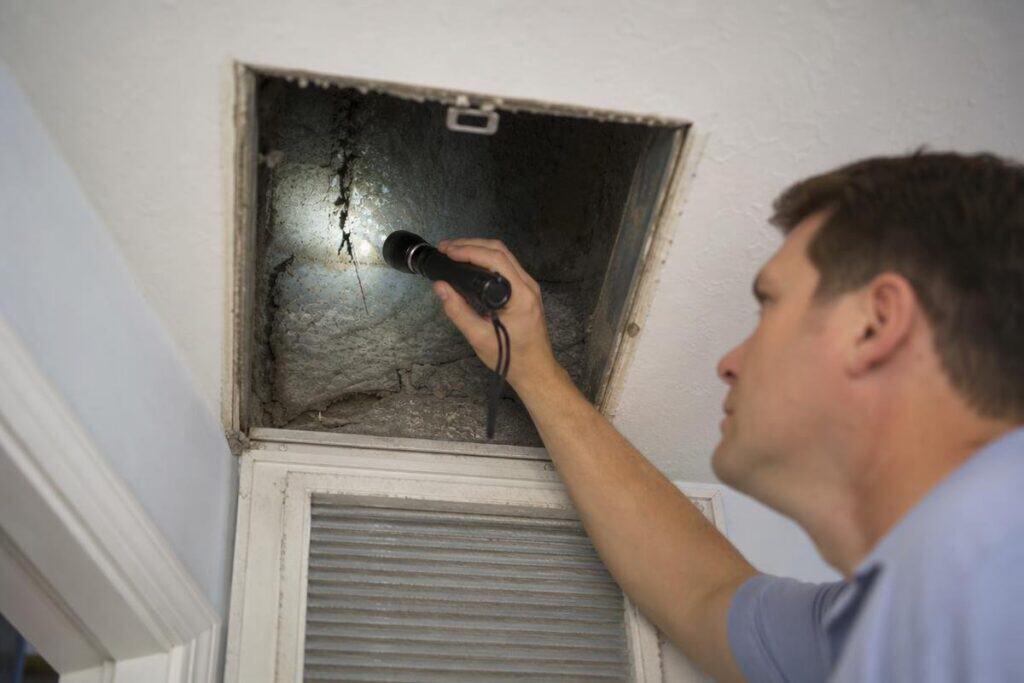
Your HVAC system runs more hours per year here than almost anywhere else in the country. That constant cycling is either cleaning your air or contaminating it. There is no middle ground.
Dirty Air Ducts: Your System’s Hidden Reservoir
Dust, mold spores, pet dander, and other biological pollutants settle inside ductwork over time. Every time your system kicks on, it pulls those particles off the duct walls and pushes them into your living spaces. Homes in Orange County with ductwork from the 1970s or 1980s are recirculating decades of buildup. If your ducts have never been cleaned, that is exactly what is happening right now.
MERV Ratings Explained in Plain Language
Most tract homes in Orange County ship with standard 1-inch filters rated MERV 4 to 6. Those filters catch large debris. They do almost nothing for fine particulate matter, mold spores, or biological pollutants in homes. ASHRAE Standard 62.2 also recommends minimum whole-house ventilation rates that many older sealed homes simply don’t meet. Here is a quick breakdown of filter ratings:
- MERV 4-6: Catches lint and large dust. Misses PM2.5 entirely.
- MERV 8: Captures larger pollen and dust mite debris.
- MERV 13: Captures PM2.5, mold spores, and some bacteria. This is the minimum we recommend.
- HEPA (portable units): Captures 99.97% of particles 0.3 microns and larger.
Read more about how HVAC systems impact your indoor air quality before your next filter change.
Active Air Scrubbers vs. Passive Filtration
Passive filtration only cleans air that passes through the filter. An active air scrubber works differently. It uses photocatalytic oxidation or ionization to neutralize VOCs, bacteria, and odors throughout the entire home, not just at the return vent. That is a fundamentally different mechanism. If you have neighbors in Santiago Hills or Villa Park asking about whole-home air quality, this is the upgrade worth discussing. Ask us about CareAire Air Scrubber installation for your home.
How Plumbing Problems Contribute to Indoor Air Pollutants
Most homeowners never connect a dripping pipe to the air they breathe. But plumbing problems are a real source of biological pollutants, chemical off-gassing, and combustion byproducts inside your home. Here is how the connection works.
Slow Leaks and Mold Growth Behind Your Walls
A slow leak under your sink or behind a wall does not have to be dramatic to cause damage. Even a small drip keeps building materials damp enough for mold colonies to take hold. Older supply lines in established Orange neighborhoods are especially prone to pinhole leaks that go unnoticed for months. By the time you smell something musty, the mold is already releasing spores into your indoor air.
Schedule a plumbing inspection if you notice soft drywall, water stains, or unexplained musty odors. You can also read our guide on 10 ways to detect plumbing leaks in your home before they become a bigger problem.
Chlorine and Chloramine Off-Gassing From Hot Water
Municipal water is treated with chlorine and chloramine to keep it safe to drink. That is a good thing. The downside is that heat releases those chemicals as gas. Your shower is the biggest source. Because local hard water builds scale inside water heaters, that scale can hold and release chloramine over time, adding a small dose of volatile organic compounds to your bathroom air with every hot shower.
Whole-home water quality treatment reduces chlorine and chloramine before the water ever reaches your fixtures. If hard water scale is also a concern, water softener repair or service can help protect both your pipes and your air quality.
Gas Line Leaks and Combustion Byproducts
Small gas leaks at aging connections near furnaces, water heaters, or ranges introduce unburned hydrocarbons and combustion byproducts into indoor air before ignition ever occurs. You may not smell anything at low concentrations. NATE-certified technicians check gas connections during annual water heater maintenance visits, which is one of the simplest ways to catch this risk early.
Worried a plumbing issue is affecting your home’s air? Our team serves Orange, Anaheim, Santa Ana, and the surrounding Orange County area. Call us at (951) 277-6848 and we will take a look.
Practical Steps to Remove Indoor Air Pollutants From Your Home
Removing indoor air pollutants comes down to three things: bring in cleaner air, cut off pollution at the source, and call a pro when the problem is bigger than a cracked window can fix. Here is how to do all three.
Ventilation: When and How to Bring in Fresh Air
Open your windows during mild mornings in spring and fall. That is free and effective. But check air quality conditions first. During wildfire season or high-wind days, outdoor particulate matter spikes fast across the Inland Empire. Bringing that air inside makes things worse, not better.
Run bathroom and kitchen exhaust fans every time you cook or shower.
They pull out moisture, biological pollutants, and combustion byproducts before they spread. If your home stays sealed year-round due to heat or AC use, ask us about an energy recovery ventilator. ERVs exchange stale indoor air for fresh outdoor air without wasting your conditioned air.
Source Control: Cut Pollutants Before They Enter the Air
This is the lowest-cost step. Choose low-VOC paints and building materials, especially in newer construction where volatile organic compounds off-gas heavily in the first few years. Store cleaning products and chemicals in sealed containers in the garage, not under the kitchen sink. Fix plumbing leaks fast. A slow drip under a cabinet feeds mold within 24 to 48 hours. Our plumbing installation services include fixture upgrades that eliminate common leak points before they become an air quality problem.
Professional IAQ Services That Make a Measurable Difference
Some indoor air pollutants need professional equipment to remove. Air duct cleaning pulls out accumulated dust, mold spores, and biological pollutants that no filter reaches. Our CareAire Air Scrubber actively destroys contaminants in the air and on surfaces. For dry indoor conditions that follow wind events in the Inland Valley, humidifier installation restores moisture balance and reduces airborne particulate matter.
Our team has served Southern California since 2000 and holds the ACCA Contractor of the Year award. We know this region’s air quality challenges. If you are unsure where to start, contact us for a full IAQ assessment.
Indoor Air Quality Across Orange, Anaheim, Santa Ana, and Orange County, CA
Local Climate and Housing Stock: What Makes Each City Different
Every city in our service area has its own indoor air quality story. Across the Orange County corridor, summer temps push past 95°F regularly. Homes stay sealed tight for months. That sealing concentrates indoor air pollutants fast. Check our year-end HVAC maintenance checklist to stay ahead of it, no matter which city you’re in.
Homes in older parts of Orange and Anaheim built before 1980 often have asbestos in floor tiles, ceiling texture, or attic insulation. That risk goes up during any renovation. An attic insulation inspection is a smart first step before any remodel work begins.
Newer construction in Orange County brings a different problem. Fresh building materials, adhesives, and new carpeting off-gas volatile organic compounds for one to three years after move-in. Residents in these fast-growing Orange County communities report this as one of their top IAQ complaints.
What Our Technicians Find Most Often in These Homes
Our technicians run into the same issues repeatedly. Dirty ductwork. Aging filtration. Moisture-related mold from slow plumbing leaks. These three problems show up across every city we serve.
Our team runs full system analyses from the condenser to the furnace and is known for explaining options clearly without any pressure. We cover Orange and the surrounding Orange County communities for exactly these kinds of inspections. We know these homes. We have been in them since 2000.
Frequently Asked Questions
What Are the Most Dangerous Indoor Air Pollutants?
Carbon monoxide tops the list. It is odorless, colorless, and can be fatal within hours. Radon is second. It seeps through foundations silently and is the leading cause of lung cancer in non-smokers. Mold spores round out the top three, causing chronic respiratory illness with long-term exposure. A CO detector and a radon test kit are inexpensive first steps any Southern California homeowner can take this week.
How Do I Know If My Home Has Poor Indoor Air Quality?
Watch for these signs: persistent allergy symptoms that improve when you leave the house, musty odors, visible mold near vents or windows, condensation on glass, or family members experiencing recurring headaches and fatigue. Biological pollutants in homes often go undetected until symptoms become routine. If something feels off, trust that instinct.
Can My HVAC System Make Indoor Air Quality Worse?
Yes, absolutely. A dirty filter, clogged evaporator coil, or contaminated ductwork redistributes particulate matter and mold spores every time the system cycles. Scheduling regular heating maintenance and annual AC tune-ups catches these issues before they spread through your home.
How Often Should I Change My Air Filter in Orange, CA?
Every one to three months for standard 1-inch filters. Change more frequently during wildfire season or if you have pets. Homes in the Orange County corridors deal with heavier dust and smoke infiltration, so err toward monthly during peak fire months. MERV 13 filters in compatible systems offer better filtration of fine particulate matter between changes.
Does We Care Plumbing, Heating and Air Offer Indoor Air Quality Services?
Yes. We have served the Orange, CA area and surrounding Orange County communities since 2000. Our indoor air quality services include air duct cleaning, whole-home filtration upgrades, CareAire Air Scrubber installation, and humidification. We hold a 4.8-star rating across thousands of customer reviews and are NATE-certified.
What Is the Difference Between an Air Purifier and an Air Scrubber?
A portable air purifier passively filters air that passes through it. It only cleans air in the room where it sits. A whole-home air scrubber actively sends charged ions or photocatalytic oxidizers throughout every room, neutralizing indoor air pollutants at the source rather than waiting for them to reach the unit. The difference in coverage is significant.
How Much Do Indoor Air Quality Services Cost?
It depends on the service. Filter upgrades are low-cost and often a DIY task. Professional duct cleaning and whole-home air scrubber installation are priced based on your system and home size. We provide clear, upfront pricing before any work begins, so there are no surprises.
Ready to find out what is actually in the air inside your home?
Call our team at (951) 277-6848 or schedule a visit online. We Care Plumbing, Heating and Air has served Orange, CA and surrounding Orange County communities since 2000. Our NATE-certified technicians will inspect your ductwork, filtration, and plumbing connections and give you a clear picture of your home’s air quality, with honest recommendations and upfront pricing before any work begins.
Ready to Get Started with We Care Plumbing, Heating and Air?
Call (951) 277-6848 to speak with our team directly. We’re ready to answer your questions, walk you through your options, and help you find the right solution for your needs. Whether you’re just starting to plan or ready to move forward, we’ll make the process simple and stress-free. Reach out today and let’s talk about how we can help.